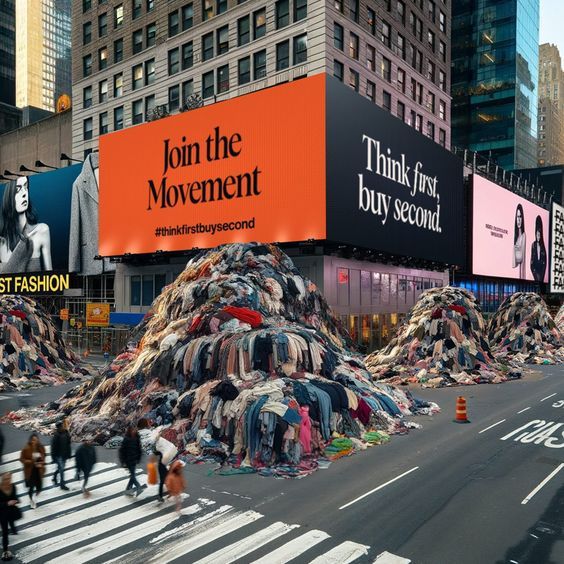
Virtual Reality Shopping, Government Regulation of Consumption, and Why the Price of Clothes are set to Rise.
The fashion and lifestyle industry is on the brink of significant change due to shifting priorities in sustainability, advancements in technology, and the flexibility of brands in response to economic and regulatory shifts. Here are some key insights to stay ahead of the curve and avoid potential price increases driven by these changes.
Sustainability will significantly increase in the next four years as our planet's survival depends on it.
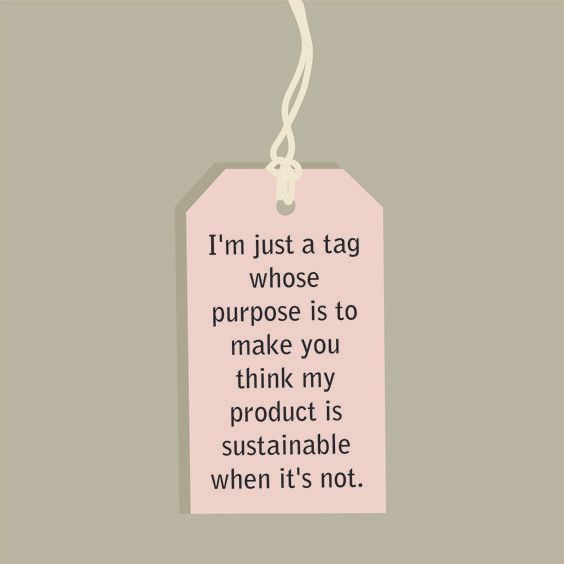
The fashion industry has one of the largest impacts on climate change worldwide. As of today, the majority of brands manufacture an additional 5-10% of their total order as buffer stock to counteract potential damages or defects in garments. This buffer stock is never intended to be sold leaving 5-10% of the product already allocated as waste.
(pinterest 2024)
Government regulation is going to change how we shop.
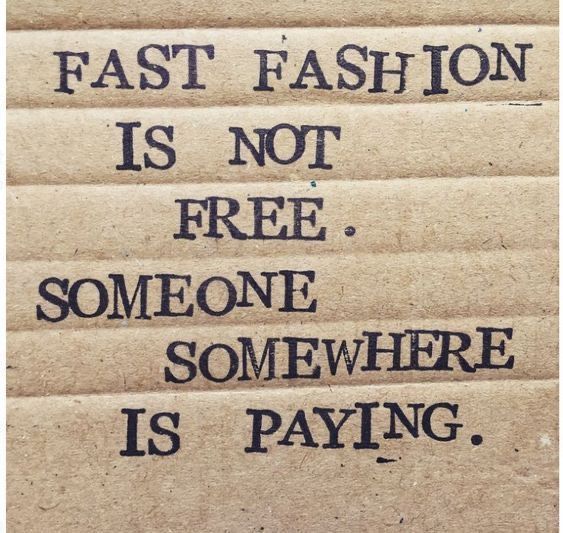
Government regulation will begin to hold brands responsible for ethical manufacturing practices, transparency, and traceability. In reaction to regulation, brands will have to show resilience adaptability, and financial stability. This means integrating cleaner and ethical manufacturing habits. Prices of products will rise to match the higher standards being demanded of brands and fast fashion may not fully disperse, but dramatically decrease. While the weight of responsibility will not fall upon the shoulders of consumers, they will become more aware of the ethics of overconsumptive habits and begin to shop slower. This awareness in conjunction with the rise in prices will influence consumers to demand higher quality and comfort from the brands they opt to shop from. This means consumers are more likely to stop shopping fast or low-quality fashion and invest in higher-quality garments. We are already beginning to see a fall in one-wear shopping practices, encouraging a rise in clothing rentals and repairs.
(pinterest 2024)
Trying on clothes in-store...at home?
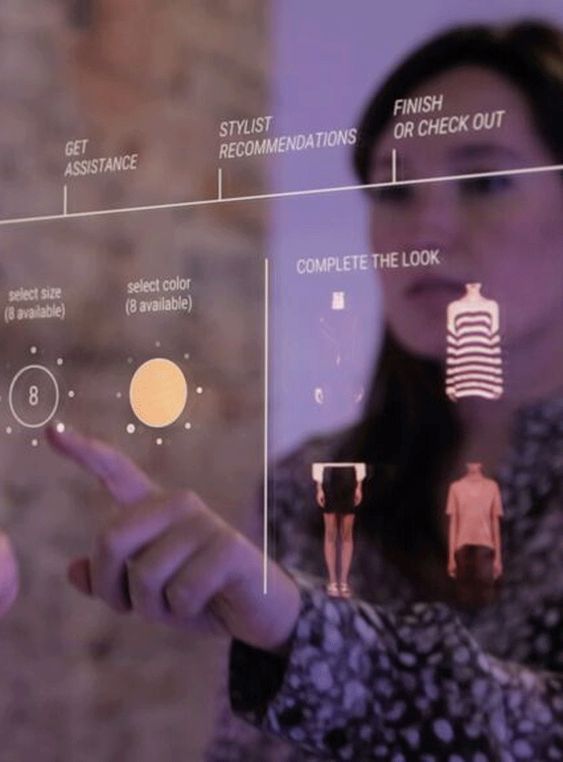
Technology will revolutionize shopping through virtual reality experiences and the integration of smart clothing. Virtual reality technology will provide an in-person or interactive perspective to the online shopping experience. Virtual fitting technologies will allow consumers to try on clothing digitally. This will not only allow users to see how a garment looks at home but also ensure a better fit and comfort without the physical strain of trying on multiple outfits. Retailers will offer personalized shopping experiences based on consumer's preferences, and health profiles, recommending clothing that suits their specific needs.

(pinterest 2024)
Evolve, where do my clothes come from?
Technology will also give consumers more knowledge about the ethical practices of brands and impact where they choose to shop. Transparency and traceability technology will hold brands more accountable. Consumers will have the ability to track the lifespan of a garment from field to production, to the sales floor. Health technology integration will provide athletes with real-time data to influence and track performance while providing additional meaningful health data. Smart fabrics and wearable technology will enable the monitoring of vital signs, activity levels, and other health metrics, this will be particularly valuable in the activewear and medical workspace. Fitness tracking such as clothes embedded with fitness tractors will provide real-time data on exercise performance helping wearers optimizer workouts and maintain healthy lifestyles. Wearable fashion items will integrate seamlessly with health and wellness apps, allowing users to track their data and receive personalized recommendations on their clothing input clothing integrated with AI-driven health assistance will provide users with real-time feedback and reminders to stay active and hydrated or take medication.
(pinterest 2024)
Athleisure and activewear innovation will allow athletes and health enthusiasts to benefit from advancements in fabric technology that improve breathability and moisture with wicking and temperature regulation. Activewear designed to aid muscle recovery, such as compression garments with embedded technology to improve blood circulation will gain popularity. Hygiene and protection clothing with UV protection will become more common protecting consumers from harmful sun exposure and reducing the risk of skin cancer development. Fabrics can filter out pollutants and allergens and will cater to consumers in urban areas, concerned about air quality, and respiratory health.
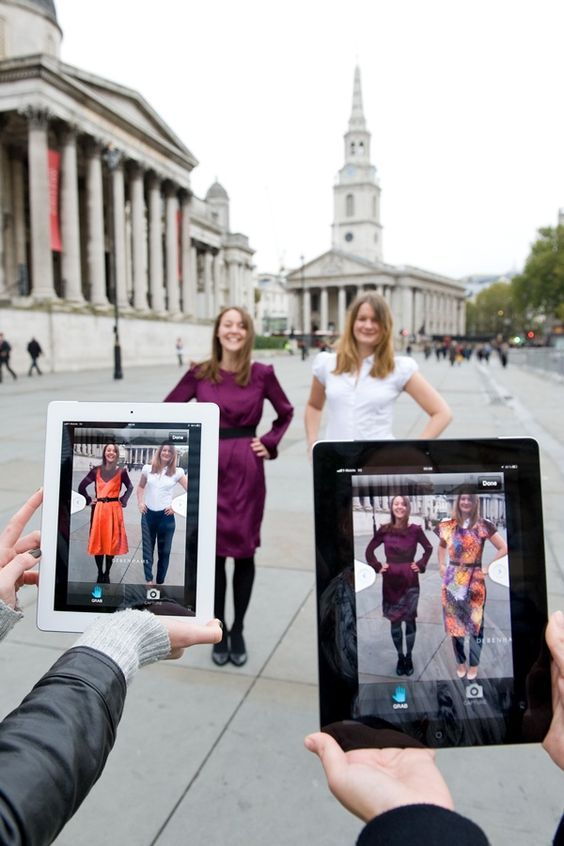
(pinterest 2024)
In the coming years, we can expect significant changes in the global fashion and lifestyle industries. Sustainability will become a necessity rather than just a marketing tactic. Consumers will shift towards less consumptive shopping and will seek products that meet higher standards, which will influence current trends. As the pace of shopping slows down, consumers will focus more on their own style and preferences rather than chasing fleeting trends. Furthermore, technology will not only change how and where we shop, but it will also provide health-related insights to promote a healthier lifestyle for consumers.
