Stop Comparing Our Bodies to Food and Shapes.
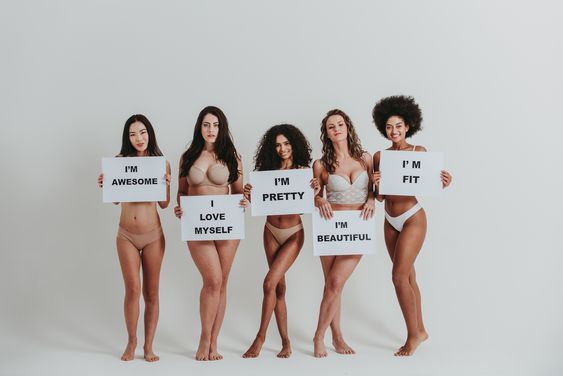
I’m tired of my body being compared to fruit or geometric shapes — it’s time to move beyond the basic and often confusing labels like “apple” or “pear.” Instead of trying to fit ourselves into outdated categories, understanding your unique body type through the Kibbe system can help you embrace and celebrate your natural lines and proportions. This approach goes beyond the generic guidelines scattered across the internet and helps you find clothing that truly flatters your features, highlights your individuality, and allows you to express your authentic self. Let’s focus on dressing for your unique essence, not a one-size-fits-all label.
www.mybellabotanicals.com
The Kibbe Body Type System
The Kibbe body typing system is a style and self-expression guide developed by David Kibbe in the 1980s. Unlike traditional body typing, which focuses solely on measurements (like pear or hourglass), the Kibbe system considers a combination of a person’s physical characteristics—bone structure, body shape, and overall appearance—to classify them into one of 13 different types. These types fall into five general categories: Dramatic, Natural, Classic, Gamine, and Romantic. Each category has a unique combination of yin (softness, curves, delicate features) and yang (sharpness, angles, straight lines) characteristics.
This is our process:
I. Determine Which Kibbe Body Type You Align With.
If you get lost, use Ai! Share a full body photo and a brief description with the question, which kibbe body type am I? Then use the style tips below to learn how to best dress for your body.
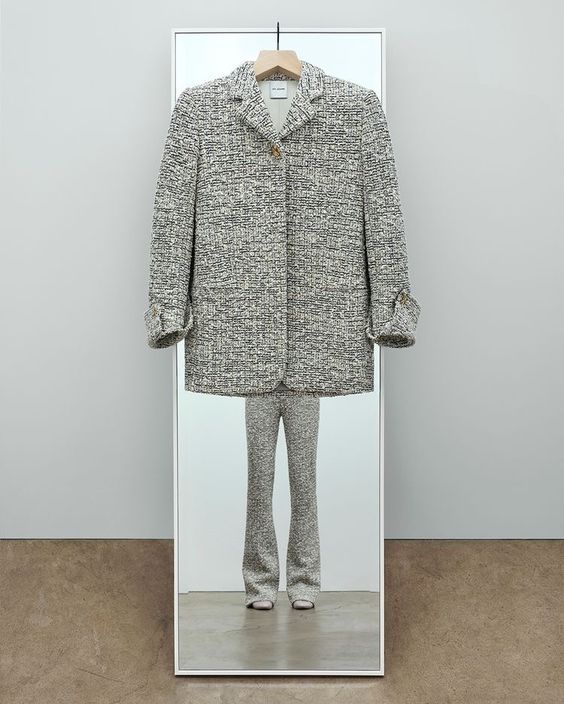
II. Determine what silhouettes, cuts, shapes, and patterns look best on you.
After determining your body type use the reference below to find the silhouettes, shapes, and patterns that will accentuate your body best.
III. Apply it to your wardrobe!
After determining your kibbe body type, use the style suggestions to transform how you wear your wardrobe. Knowing what fabrics, silhouettes, and patterns work best for you will help you create a formula for getting dressed to feel your best. Save time, and money while ensuring your outfit always looks like it was made for you.
Yin
SOFT & CURVY
Think soft, round, and delicate. Features are curvy, with softer lines, fuller shapes, and a more feminine, gentle appearance. Imagine softness and flow
Yang
SHARPNESS & STRENGTH
Think sharp, angular, and bold. Features are more structured, with straight lines, sharper edges, and a more masculine, striking appearance.
Questions to Ask Yourself
Bone Structure
Yin vs Yang
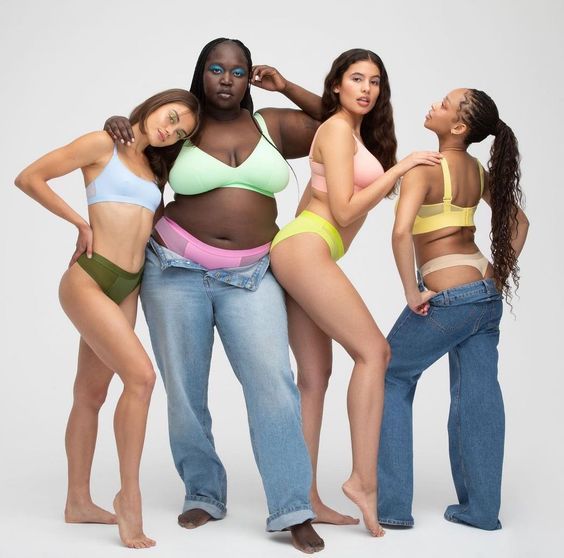
Are your bones long and straight, petite and delicate, or somewhere in between?
Body Shape
Yin vs Yang
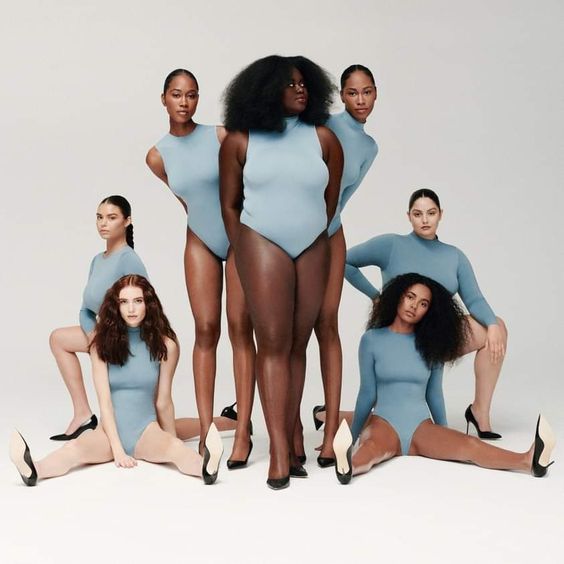
Are you curvy with a defined waist, athletic with a straighter shape, or balanced and proportionate?
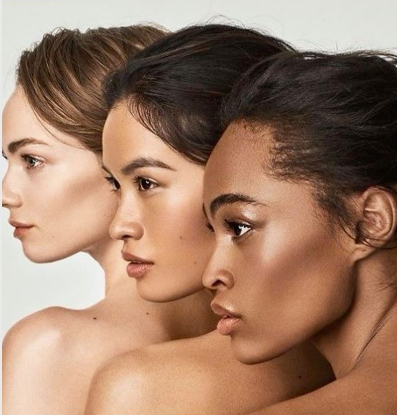
Facial Features
Yin vs Yang
Are your features soft and rounded, sharp and angular, or a mix of both?
The Kibbe Body Type System
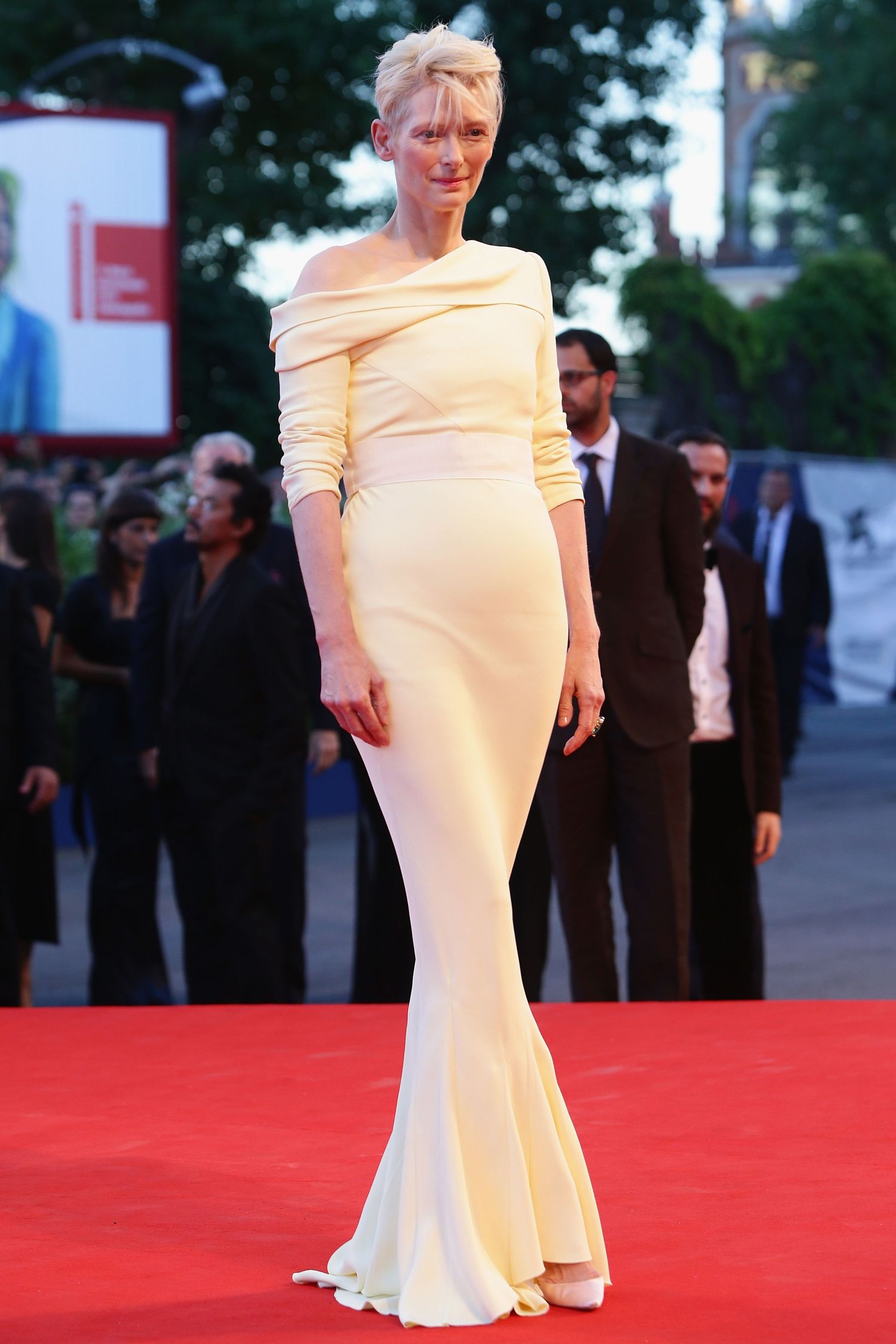
Dramatic
Yang Dominant
Characteristics:
Long and angular bone structure, sharp shoulders, straight lines in the body, and a narrow, elongated frame.
Essence: Bold, striking, and theatrical. Think of a runway model or someone with a tall, angular build.
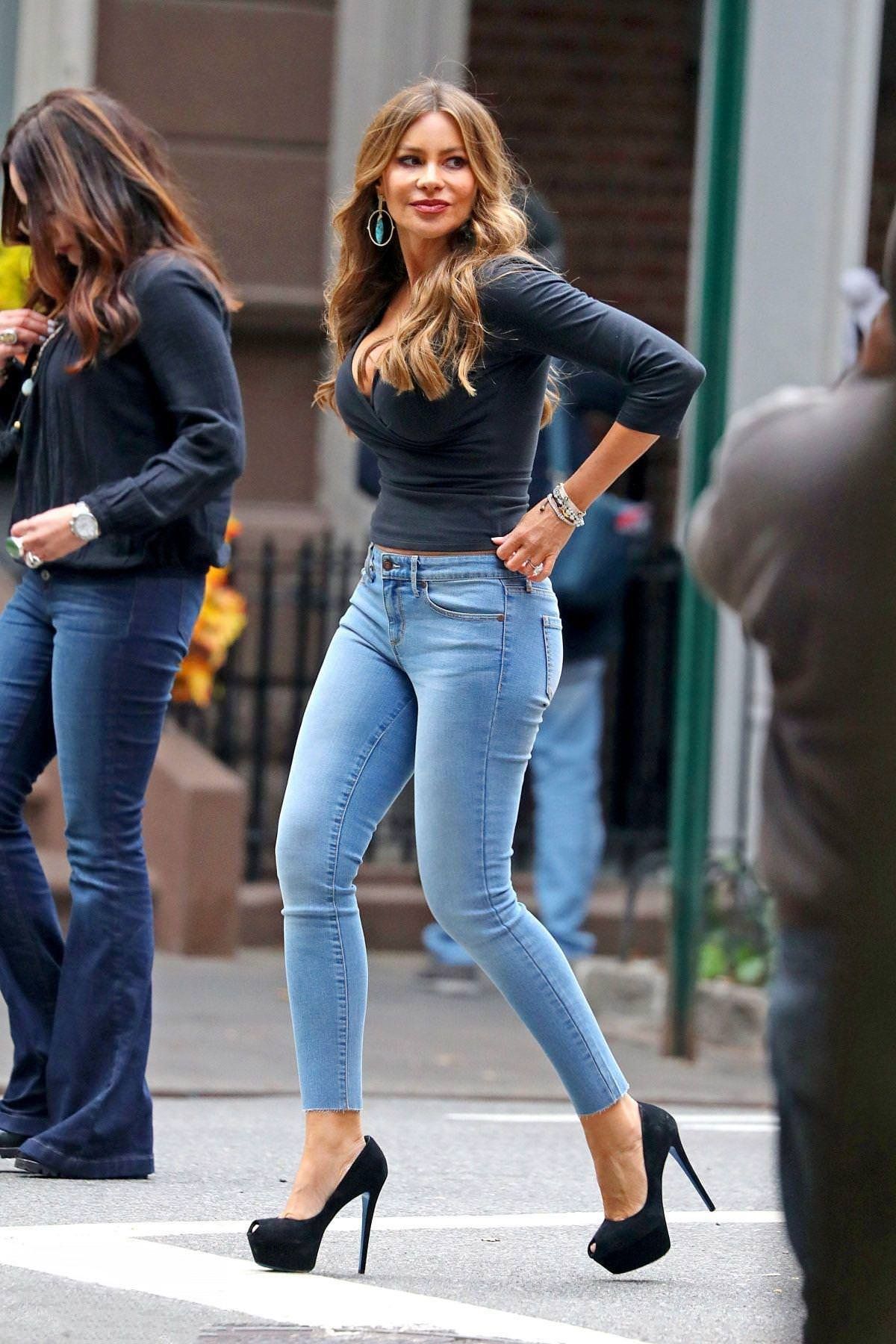
Soft Dramatic
Yang with Yin Influence
Characteristics:
A similar angular bone structure to Dramatic types, but with more softness or curves in the flesh (like fuller lips, rounder hips, or a softer waistline).
Essence: Powerful and glamorous, with an added touch of softness or femininity.
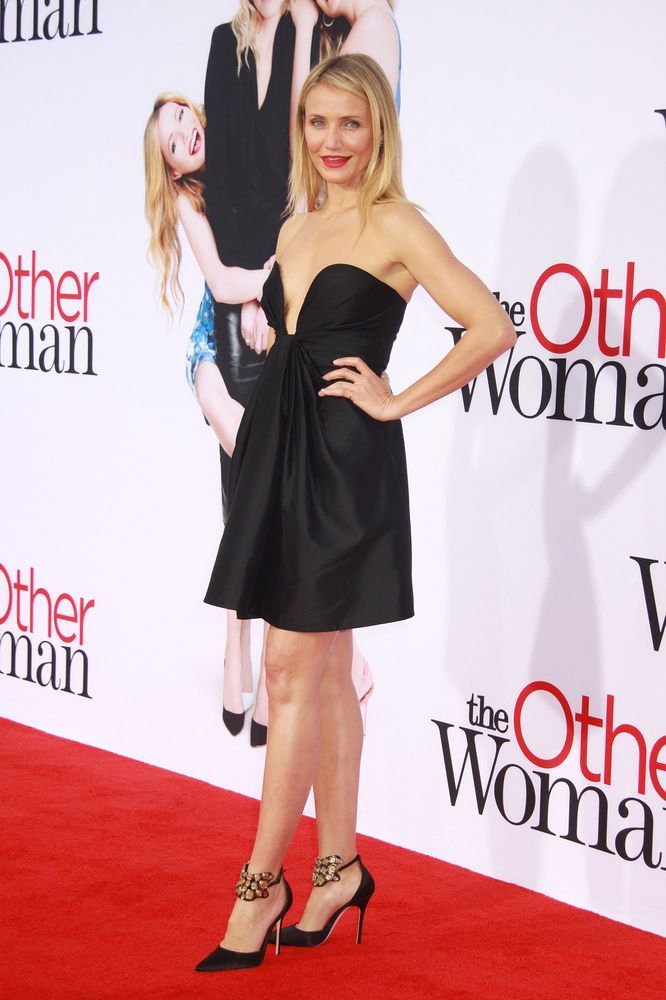
Natural
Soft Yang
Characteristics:
Slightly angular bone structure but with softer edges. A broader, more athletic frame with slightly blunt shoulders.
Essence: Relaxed, fresh, and easy-going, like someone who looks effortlessly chic.
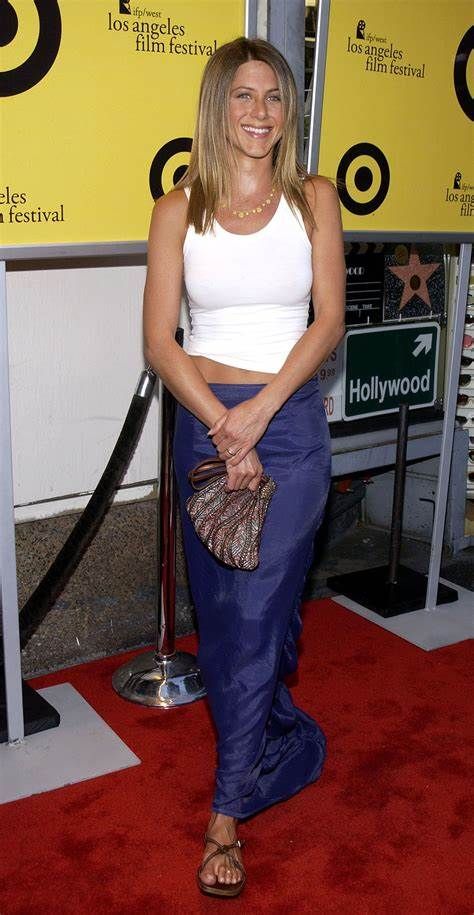
Soft Natural
Soft Yang with Yin Influence
Characteristics:
A natural, slightly broad bone structure with added softness or curves in the flesh (like a defined waist, soft hips, or rounded shoulders).
Essence: A blend of the casual and the feminine; approachable and earthy.
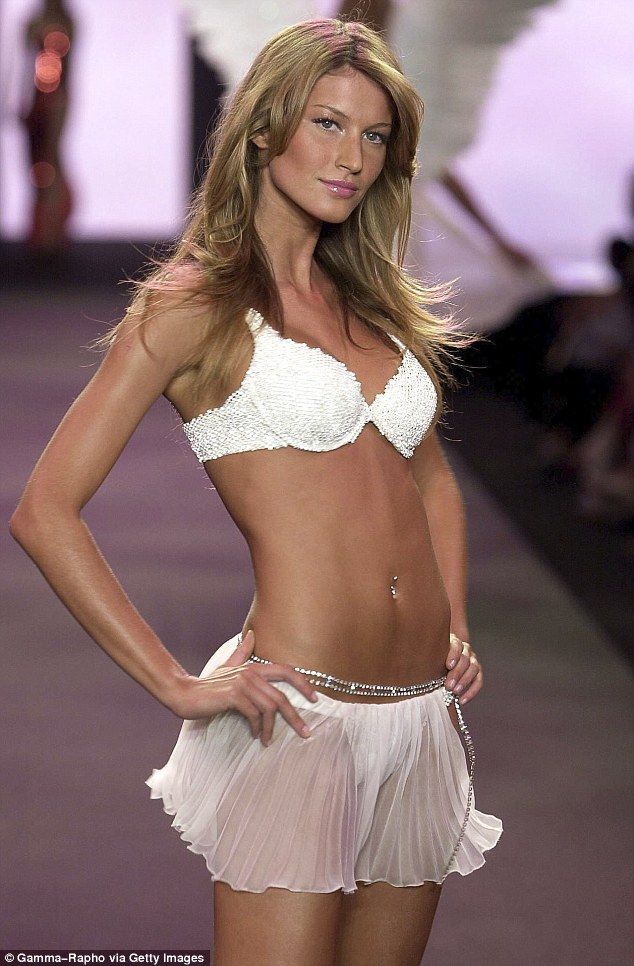
Flamboyant Natural
Yang-Dominant Natural
Characteristics:
Taller, broader shoulders, elongated limbs, and a slightly more angular shape, with a rugged or athletic look.
Essence: Strong, dynamic, and energetic with an effortless style.
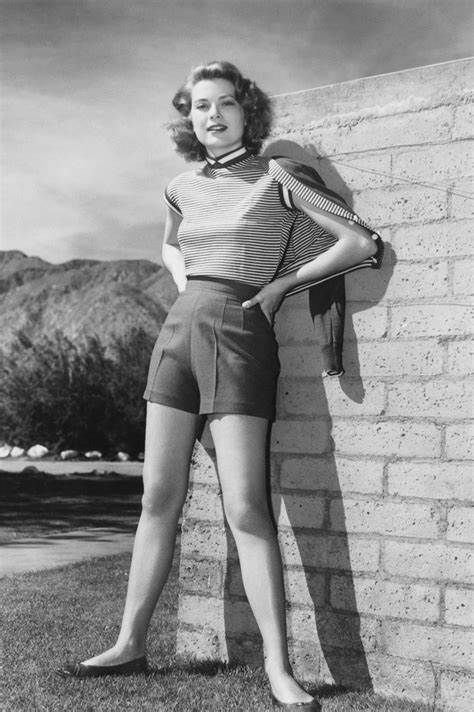
Classic
Balanced Yin and Yang
Characteristics:
Evenly proportioned bone structure, moderate height, symmetrical features, and a balanced body shape.
Essence: Graceful, timeless, and elegant; think of someone who looks balanced and symmetrical.
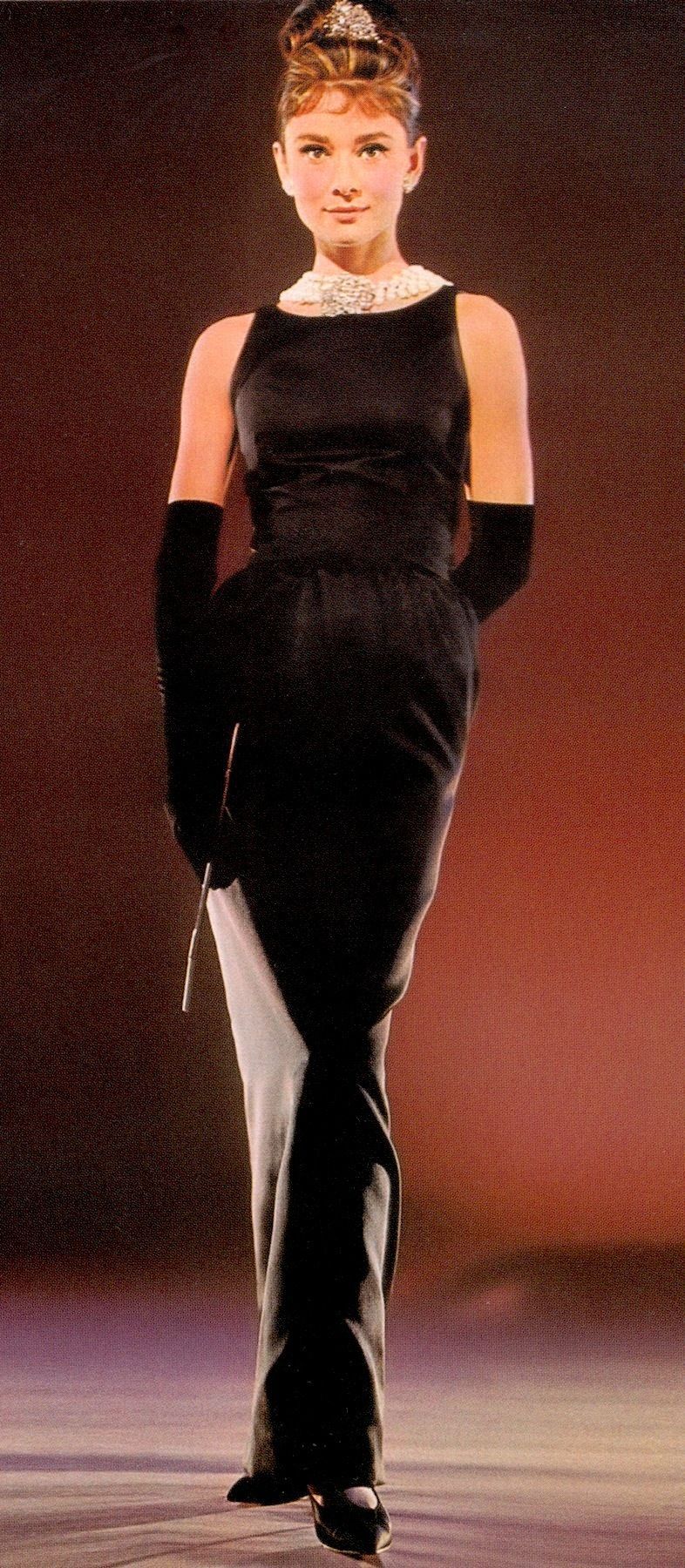
Soft Classic
Balanced with a Yin Influence
Characteristics: A balanced body type with some added softness in the face or body (like a rounded face or gentle curves).
Essence: Softly elegant, feminine, and refined.
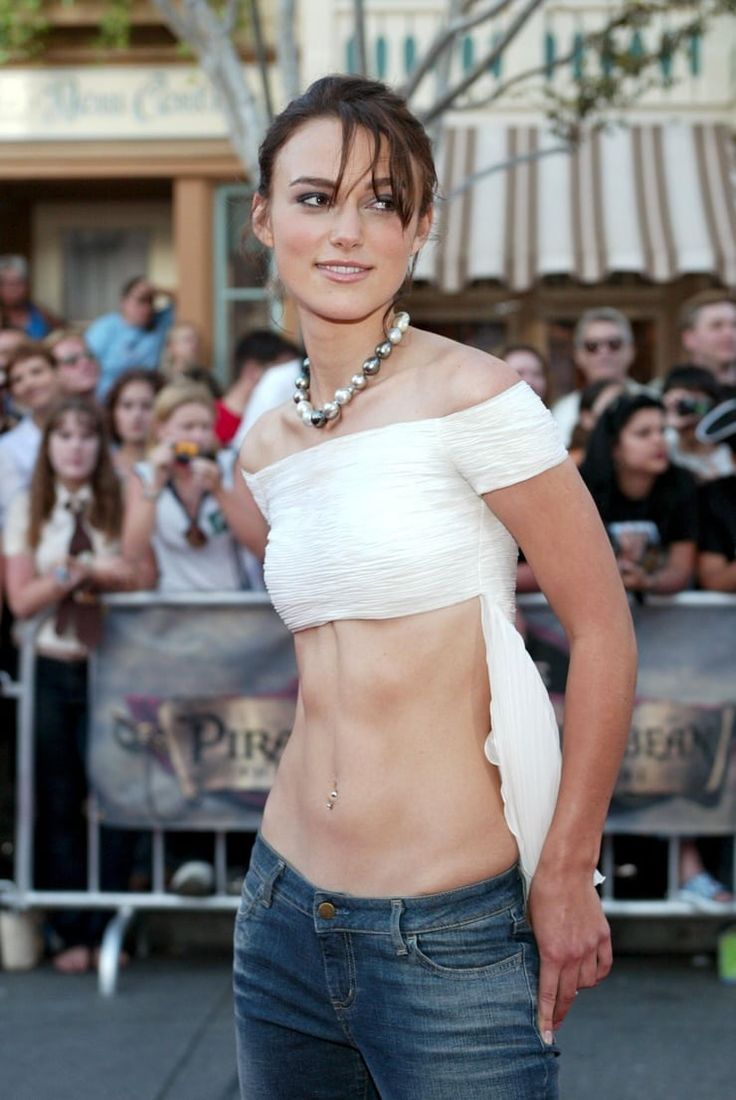
Dramatic Classic
Balanced with a Yang Influence
Characteristics:
A balanced and proportionate body type, but with slightly sharper bone structure (like a slightly angular jawline or high cheekbones).
Essence: Refined, chic, and sophisticated with a slightly edgy touch.
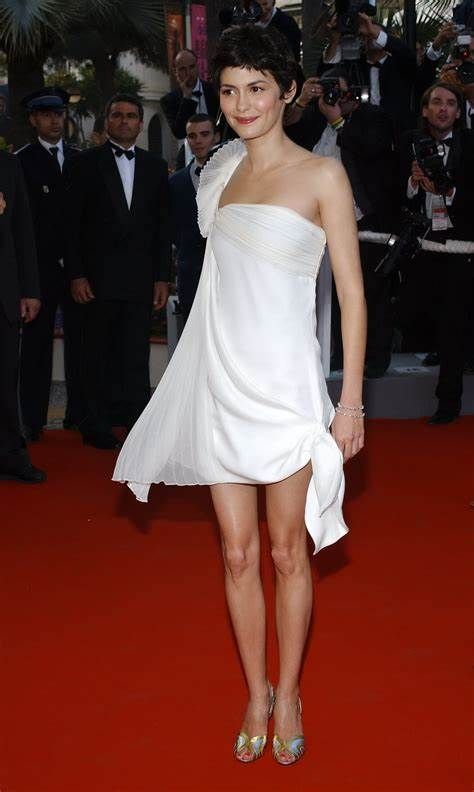
Gamine
Combination of Yin and Yang
Characteristics:
Small and compact frame, often with a mixture of sharp, angular features and softer curves. Typically shorter in height.
Essence: Playful, youthful, and spirited; think of someone who is quirky or has a “pixie” vibe.
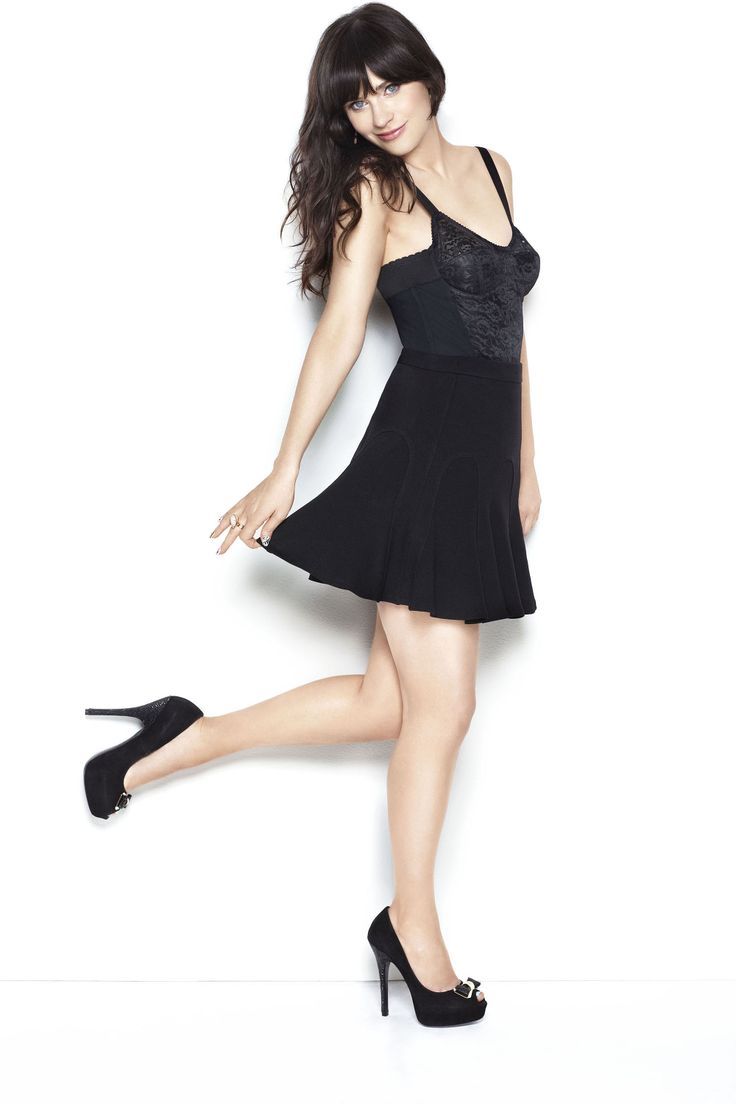
Soft Gamine
Combination of Yin and Yang with
Characteristics:
A petite, small frame with softer, rounded features and a slight curviness.
Essence: Sweet, whimsical, and charming with a touch of feminine softness.
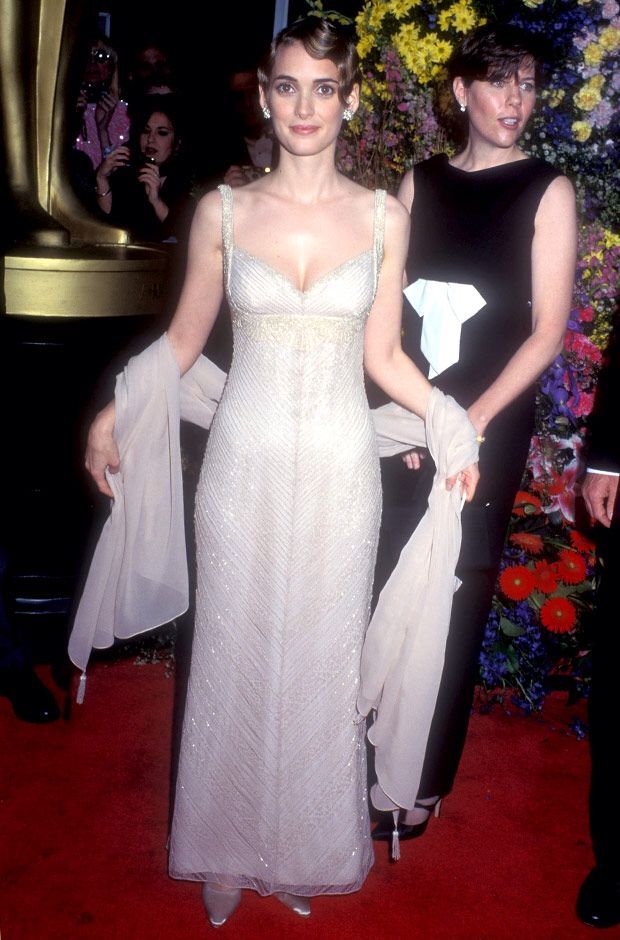
Flamboyant Gamine
Combo of Yin/Yang, more yang
Characteristics:
Petite with angular bones, sharper features, and a bit more of a dynamic or angular look.
Essence: Bold, vibrant, and edgy with a youthful energy.
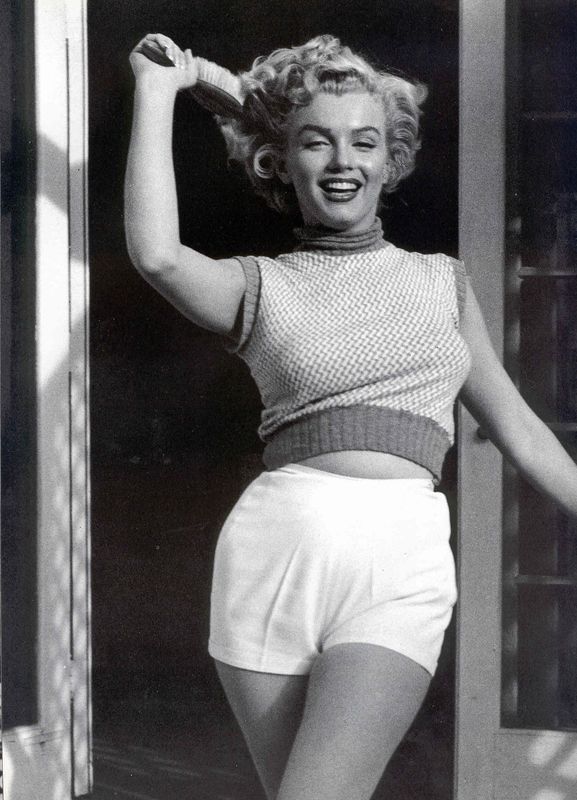
Romantic
Yin Dominant
Characteristics:
Soft, rounded bone structure, curvy body shape, and full, delicate features.
Essence: Feminine, gentle, and romantic with a classic, curvy appearance.
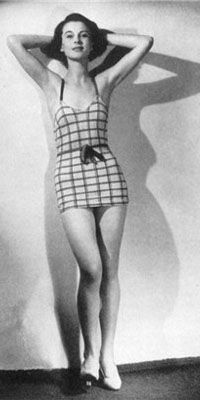
Theatrical Romantic
Yin Dominant with Some Yang
Characteristics:
A soft, rounded bone structure with slight angular details (like slightly sharper shoulders or a pointed chin).
Essence: Dramatic yet feminine, blending softness with a touch of boldness.
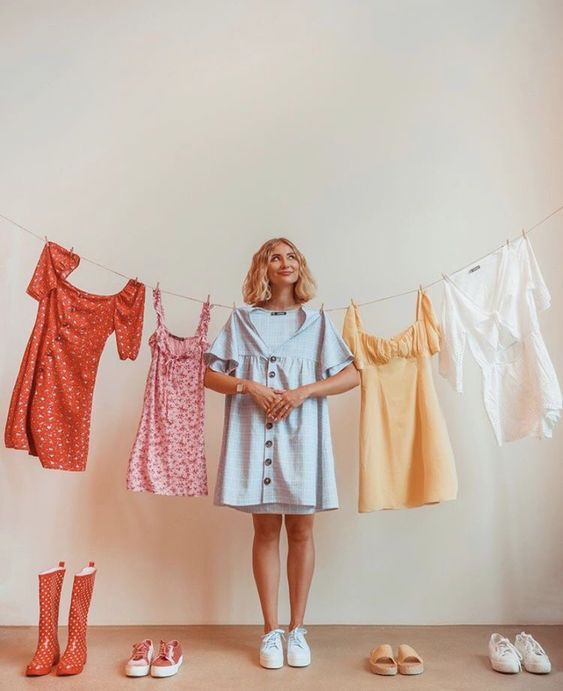
Dressing for Your Body Type
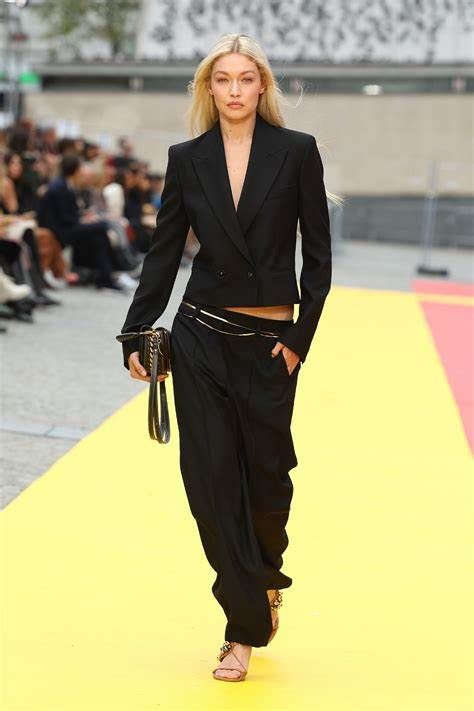
Dramatic
YANG
Look for: Sharp lines, tailored cuts, bold shapes.
Best Styles: Long blazers, sleek trousers, structured dresses.
Avoid: Soft, overly flowing fabrics.
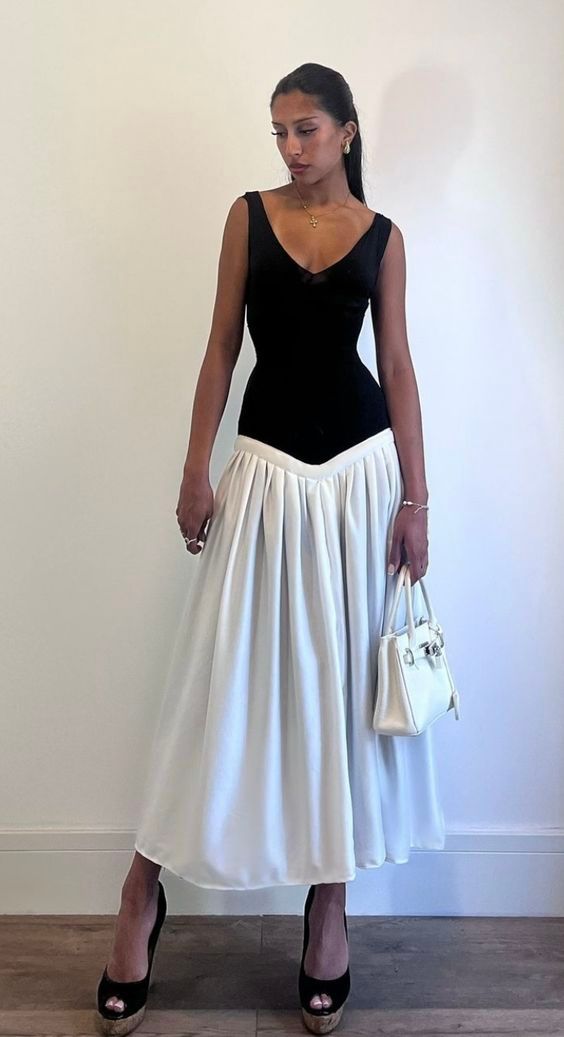
Soft Dramatic
YANG AND YIN
Look for: Dramatic shapes with soft draping.
Best Styles: Statement pieces, waist emphasis, luxurious fabrics.
Avoid: Boxy, stiff shapes.
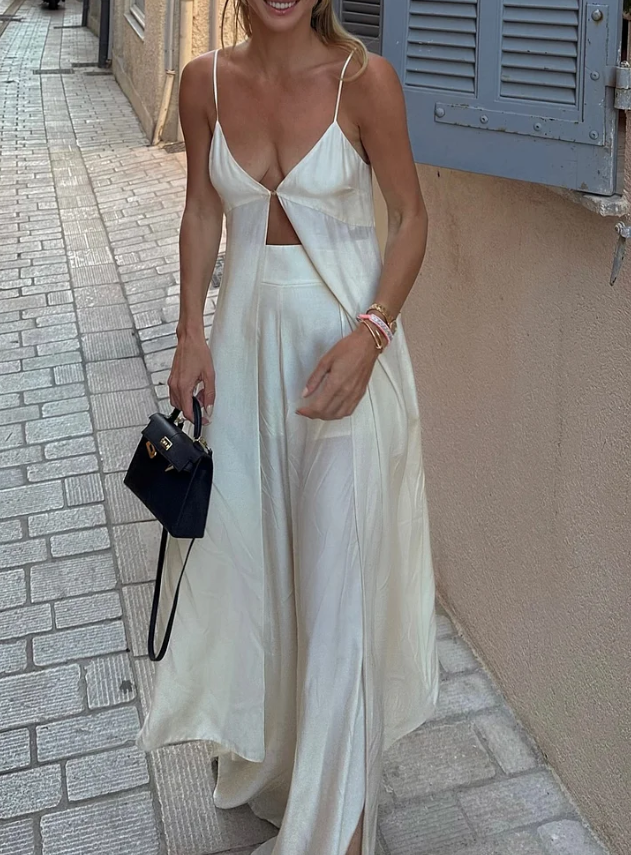
Natural
Soft Yang
Look for: Relaxed, unstructured lines; natural fabrics.
Best Styles: Loose tops, straight pants, casual dresses.
Avoid: Overly fitted or stiff clothing.
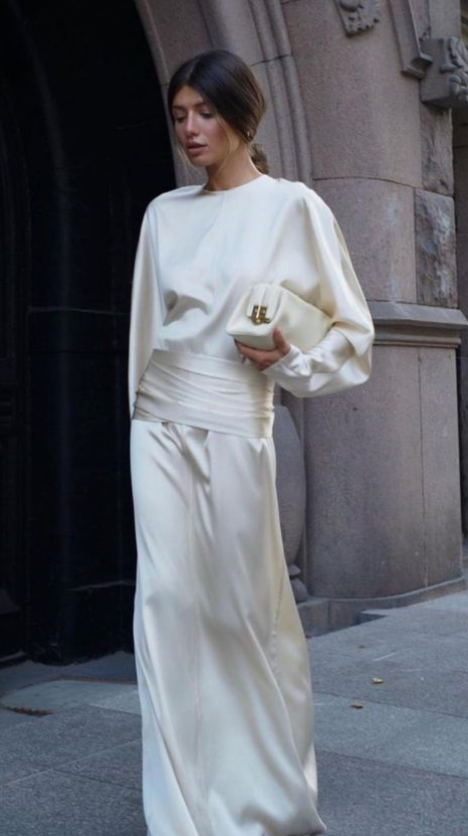
Soft Natural
YANG WITH YIN
Look for: Soft shapes with gentle structure.
Best Styles: Wrap dresses, flowy skirts, peasant blouses.
Avoid: Overly sharp, severe cuts.
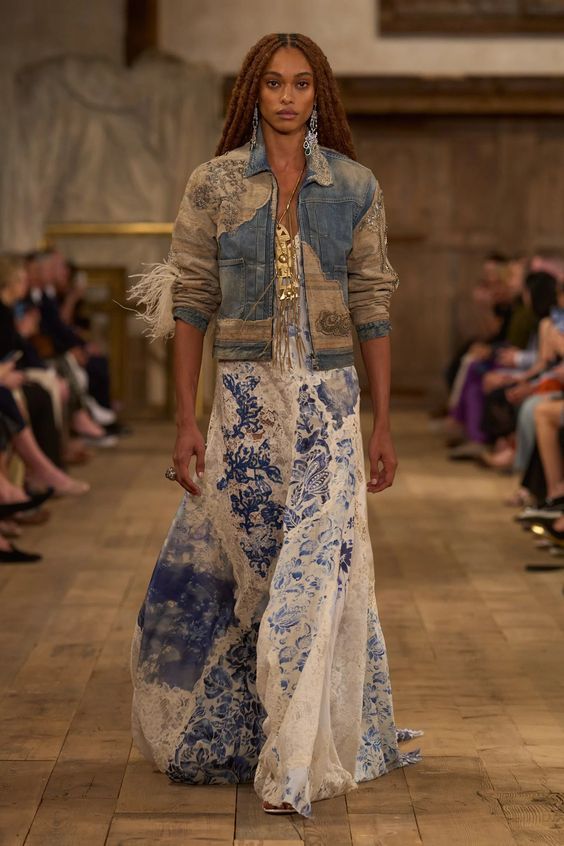
Flamboyant Natural
Yang with Softness
Look for: Bold, oversized shapes; textured fabrics.
Best Styles: Wide-legged pants, maxi dresses, statement coats.
Avoid: Tight, restrictive clothing.
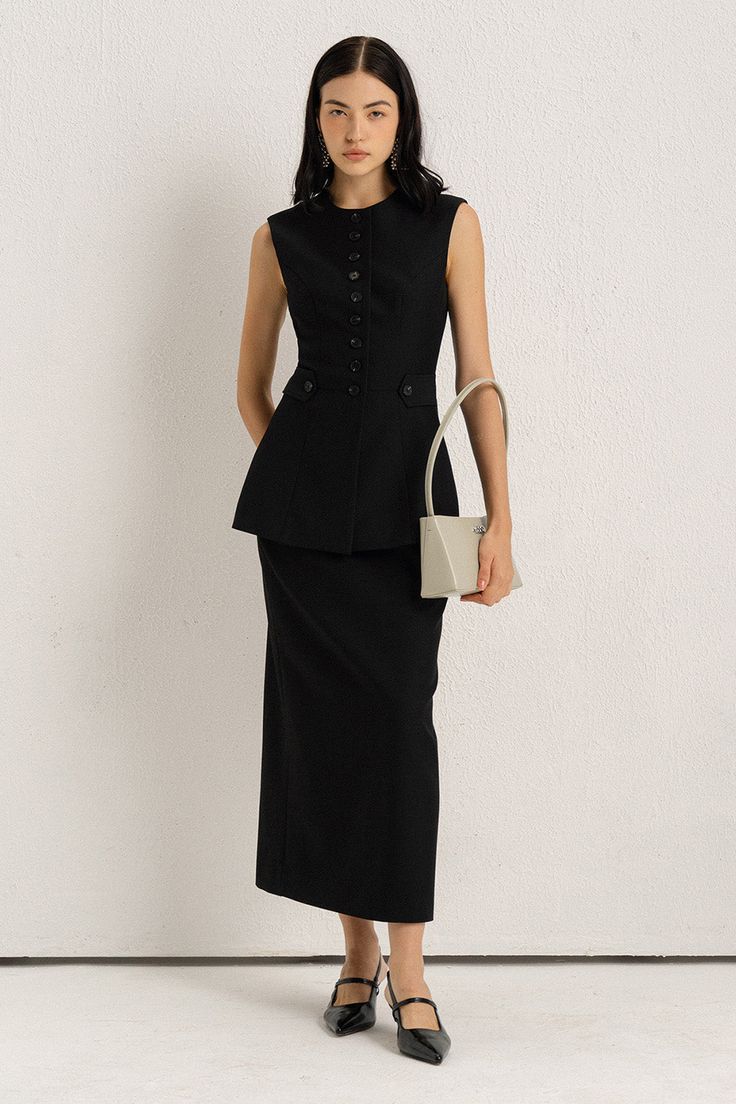
Classic
Balanced Yin and Yang
Look for: Clean, symmetrical lines; tailored fits.
Best Styles: Pencil skirts, fitted blazers, elegant blouses.
Avoid: Overly trendy or exaggerated styles.
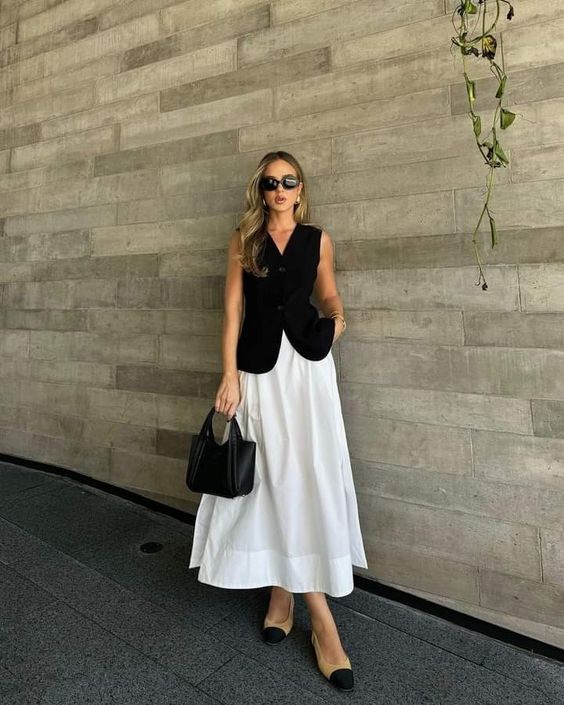
Soft Classic
Balanced with Yin
Look for: Clean lines with added softness.
Best Styles: Softly tailored dresses, A-line skirts, wrap tops.
Avoid: Boxy, overly angular shapes.
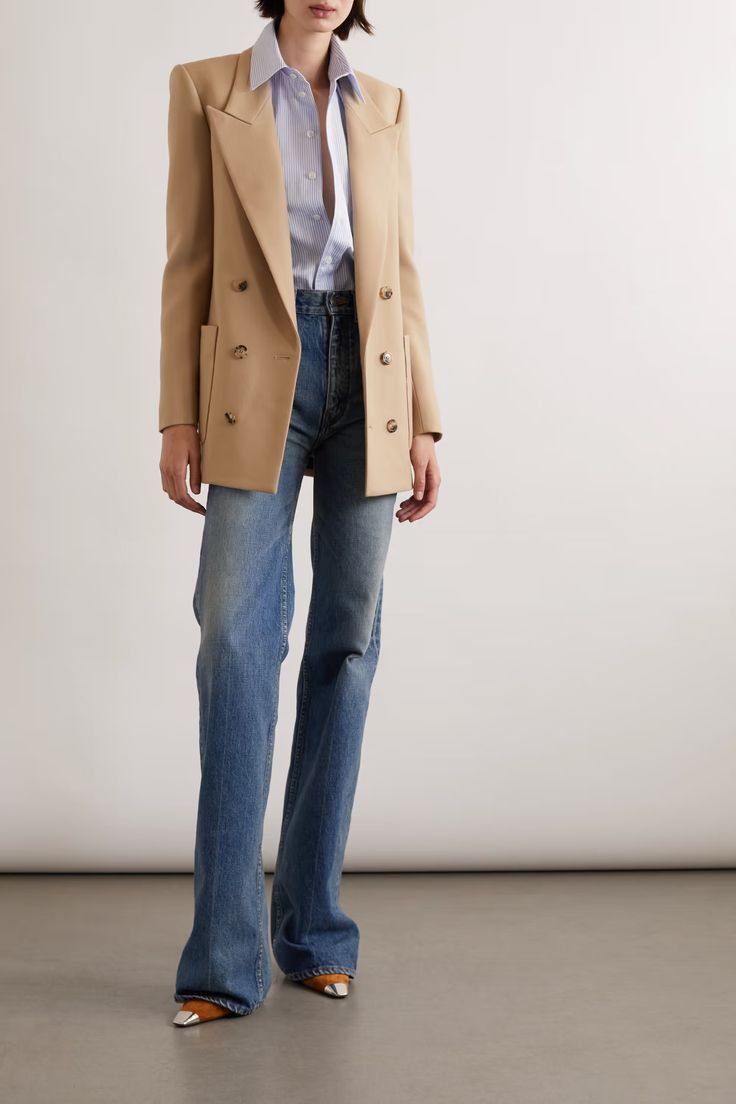
Dramatic Classic
Balanced with Yang
Look for: Tailored with slight sharpness.
Best Styles: Sharp blazers, sheath dresses, straight trousers.
Avoid: Overly soft, flowy pieces.
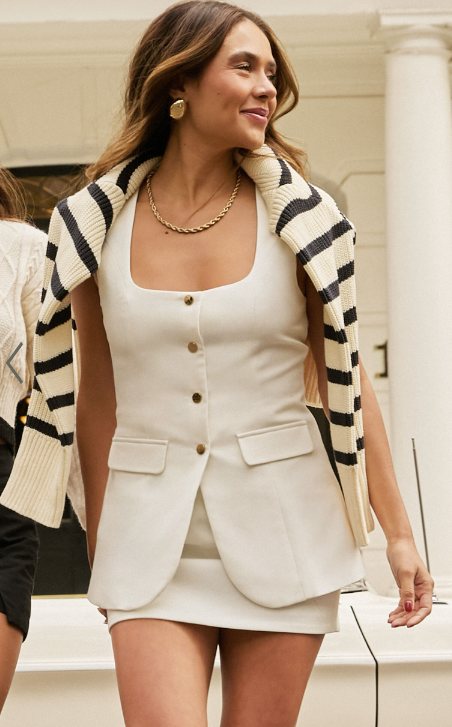
Gamine
Mixed Yin and Yang
Look for: Short, cropped shapes; playful details.
Best Styles: Cropped jackets, tailored shorts, mini skirts.
Avoid: Long, flowing, or oversized styles.
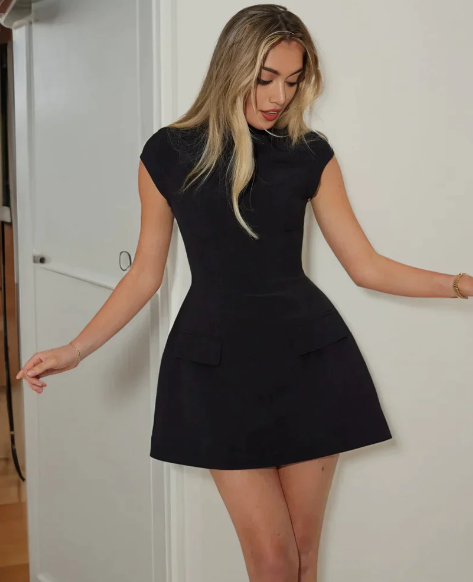
Soft Gamine
Yin with Yang
Look for: Petite, fitted shapes with soft details.
Best Styles: Fitted tops, flared skirts, playful patterns.
Avoid: Oversized or very stiff clothing.
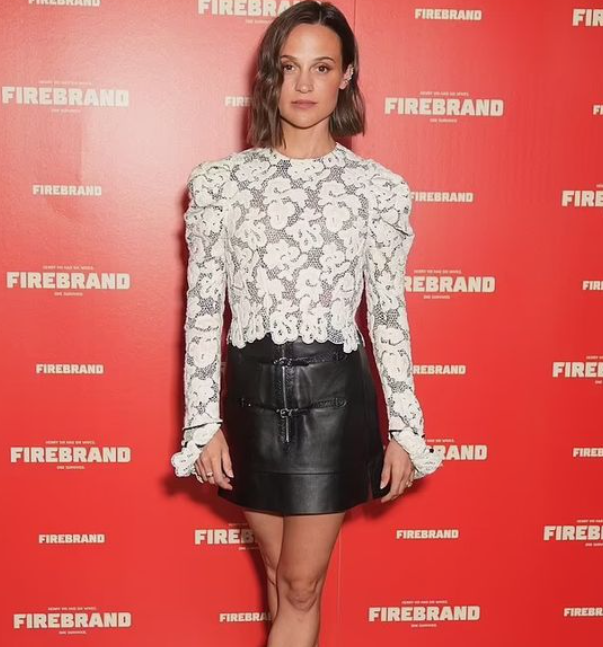
Flamboyant Gamine
Yang with Yin
Look for: Bold, sharp, and playful silhouettes.
Best Styles: High-waisted pants, mini skirts, bold prints.
Avoid: Flowing, soft fabrics.
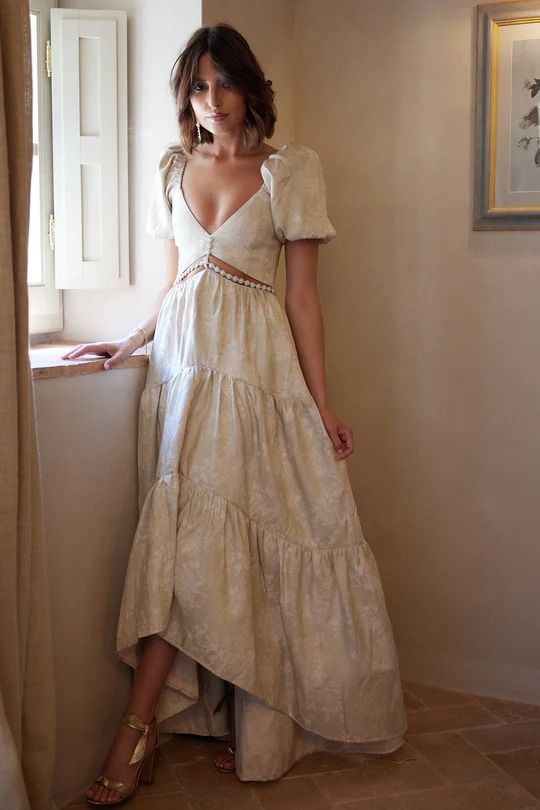
Romantic
Yin
Look for: Soft, curvy shapes; draped fabrics.
Best Styles: Wrap dresses, fitted tops, flowing skirts.
Avoid: Sharp, angular clothing.
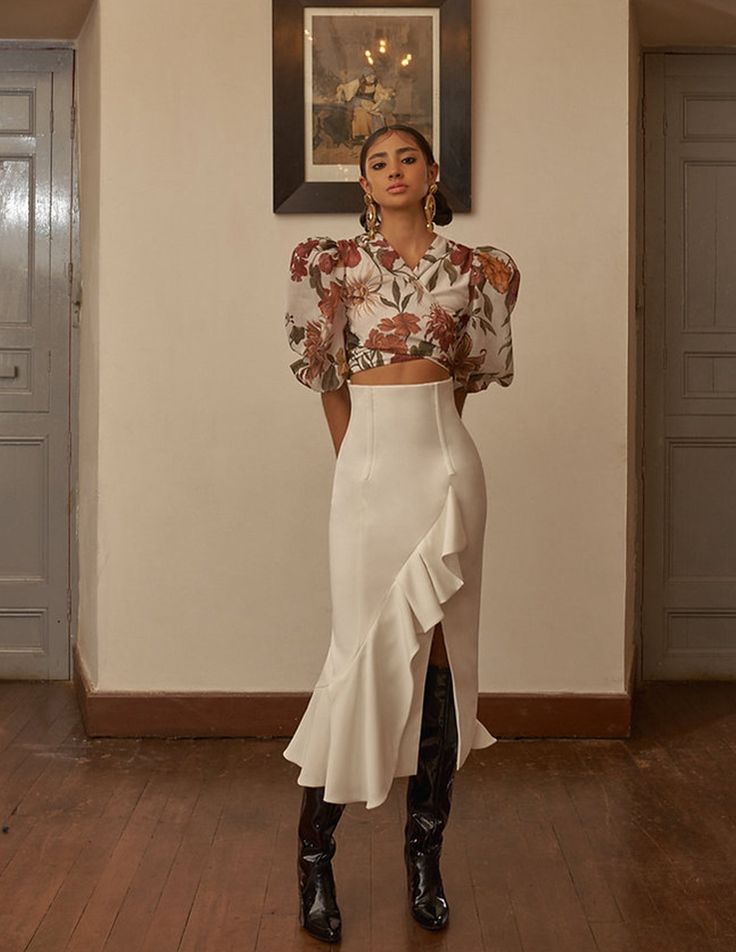
Theatrical Romantic
Yin with Yang
Look for: Soft shapes with dramatic details.
Best Styles: Peplum tops, pencil skirts, fitted dresses with flair.
Avoid: Overly plain or boxy styles.