Show Me What You're Made Of
By McKinsey Siwald
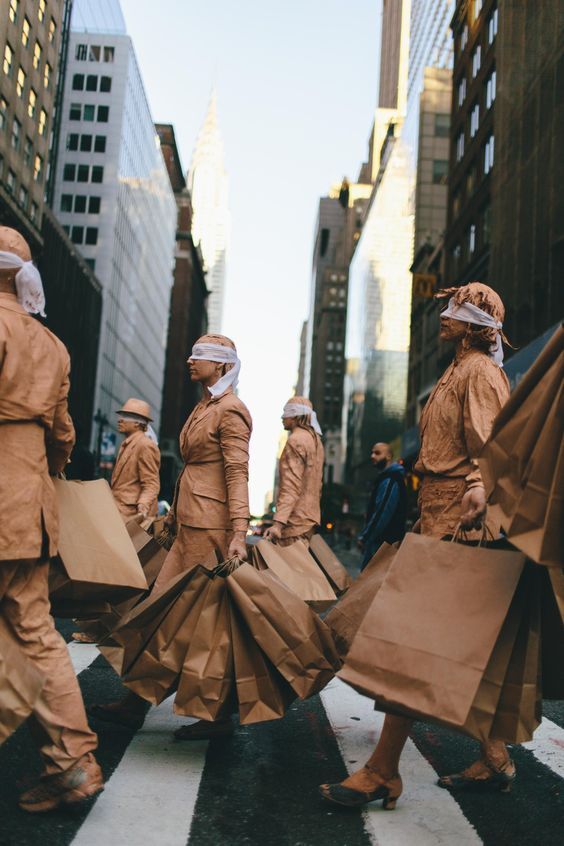
In grade school we are taught not to judge a book by its cover, one should not judge something or someone by their outer appearance alone. The importance of reading nutrition labels is stressed to us to understand how our consumption habits affect our health and well-being. Nutrition fact labels reflect current scientific information, including the link between diet and chronic diseases such as obesity and heart disease. The label makes it easier for you and your audience to make more informed food choices.
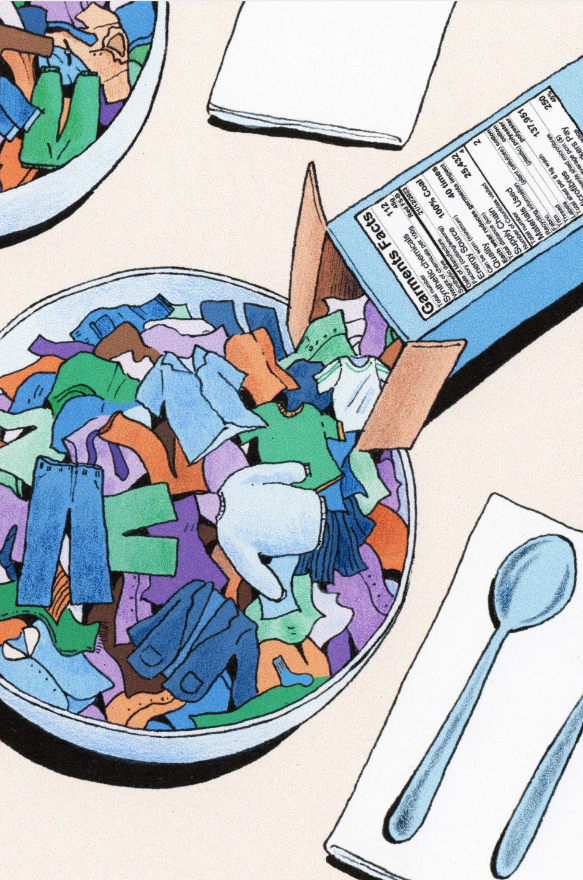
Property of VOGUE Illustration: Joey Han
Why aren’t we taught to be conscious of the materials and practices in which our clothing is made from?
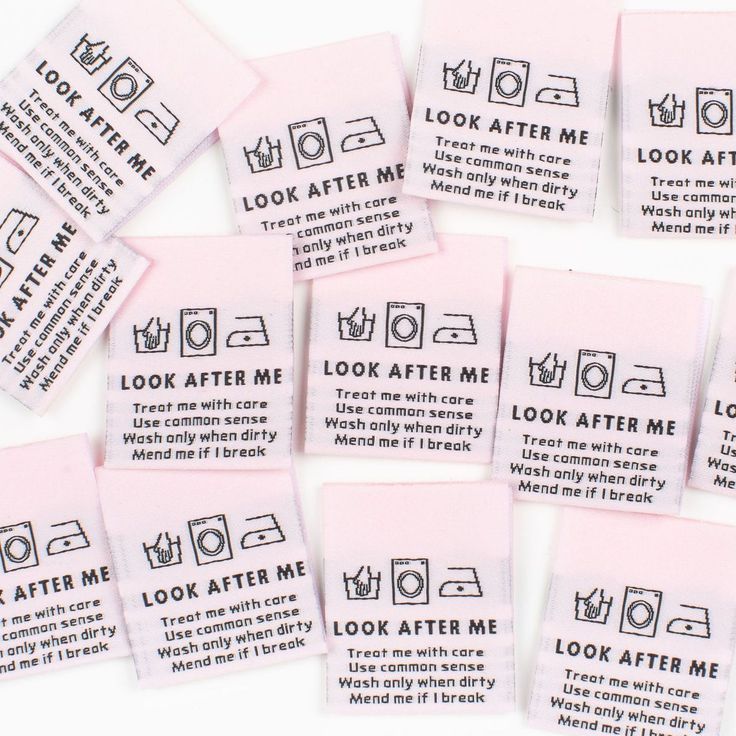
Materials that when produced can poison the environment and the people who create them. Why aren’t we taught how to read a care label, to ensure we properly care for our garments? Leading to better garment quality and a longer lifetime of wear. Why aren’t manufacturers required to provide the same facts and details regarding our clothing…or really anything other than the material it is mostly made up of?
It is our responsibility as consumers to shop consciously. Here’s a guide to begin evolving the way you shop, starting with the materials that your garments are made of. Read more to find out how to shop for ecologically friendly and sustainable clothing, and make your garments last.
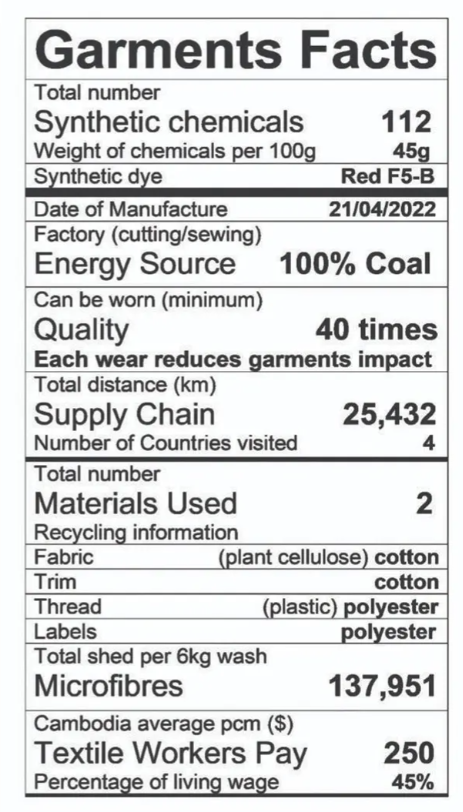
Photo from VOGUE Courtesy of Peter Gorse
Textiles 101: The Essentials You Need to Know About Your Clothes
Cotton
- Feel: Soft, breathable, and super comfy.
- Uses: Think casual wear, undergarments, and bed linens.
- Ethics & Sustainability: Conventional cotton can be pesticide-heavy and labor-intensive, but organic cotton is a game-changer, offering better practices and less environmental impact.
- Care Instructions: Machine wash in cold or warm water. Use a gentle detergent. Tumble dry on low or line dry.
- Pro Tips: Avoid hot water and high heat in the dryer to prevent shrinking. Iron on medium heat if needed.
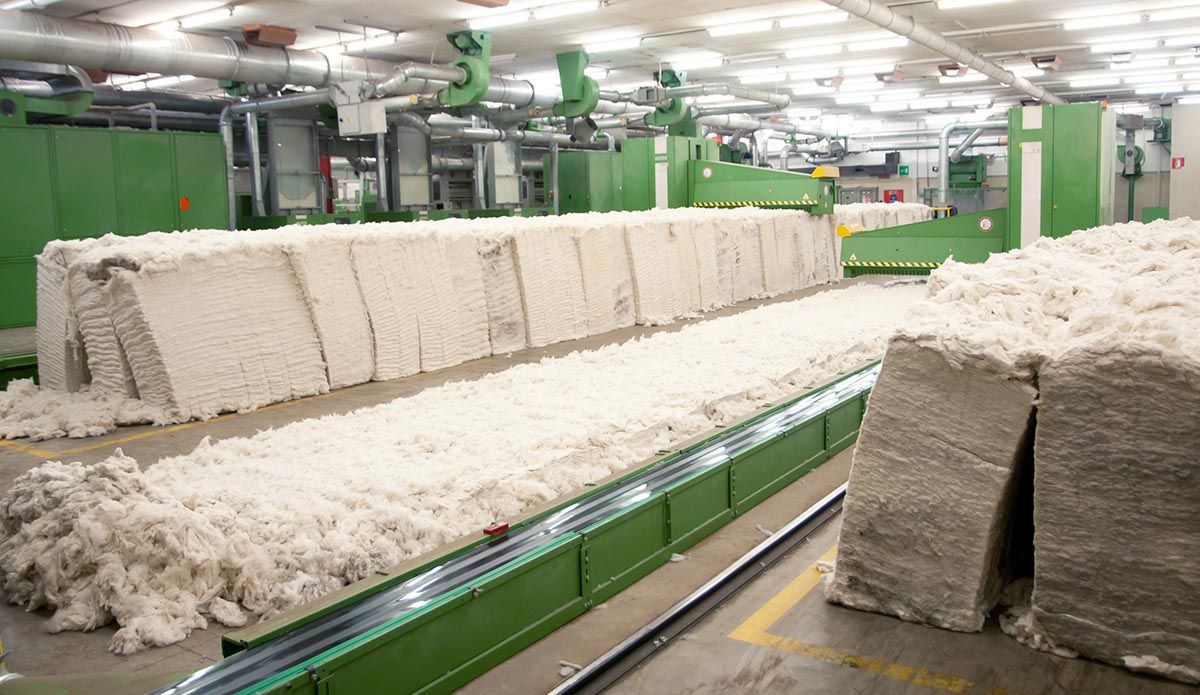
google image
Sustainability Rating: 6/10
Why? Conventional cotton farming uses a lot of water and pesticides, impacting the environment. However, organic cotton is a more sustainable option, reducing chemical use and often improving labor practices.
Polyester
- Feel: Durable, wrinkle-resistant, and moisture-wicking.
- Uses: Perfect for activewear and outerwear.
- Ethics & Sustainability: Made from petrochemicals, contributing to microplastic pollution. Go for recycled polyester to reduce waste.
Care Instructions: Machine wash in cold water. Use a mild detergent. Tumble dry on low or hang to dry.
Pro Tips: Avoid high heat to prevent melting or damage. Iron on low heat if necessary, but often it’s wrinkle-resistant.
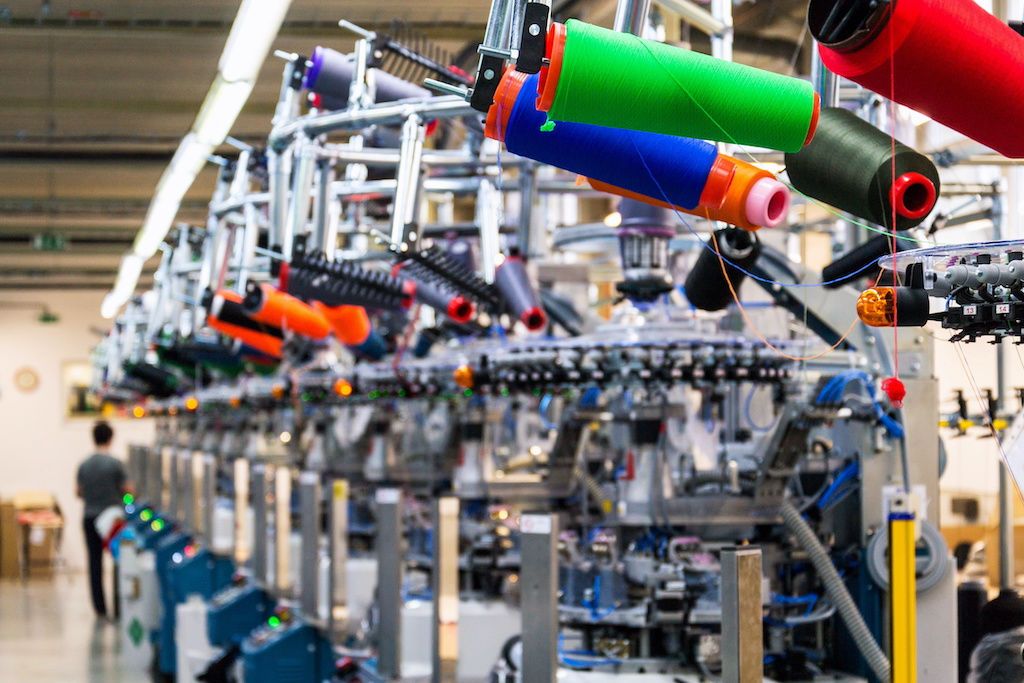
google image
Sustainability Rating: 3/10
Why? Made from petrochemicals, polyester is not biodegradable and contributes to microplastic pollution. Recycled polyester offers some improvement, but the overall impact remains significant.
Wool
- Feel: Insulating, breathable, and naturally elastic.
- Uses: Ideal for sweaters, suits, and winter wear.
- Ethics & Sustainability: Biodegradable and renewable, but watch out for ethical concerns like mulesing. Look for humane practices.
Care Instructions: Hand wash in cold water or use a wool-specific cycle in the machine. Use a mild detergent. Lay flat to dry.
Pro Tips: Avoid wringing out wool garments to prevent stretching. Store in a breathable garment bag to prevent moth damage.
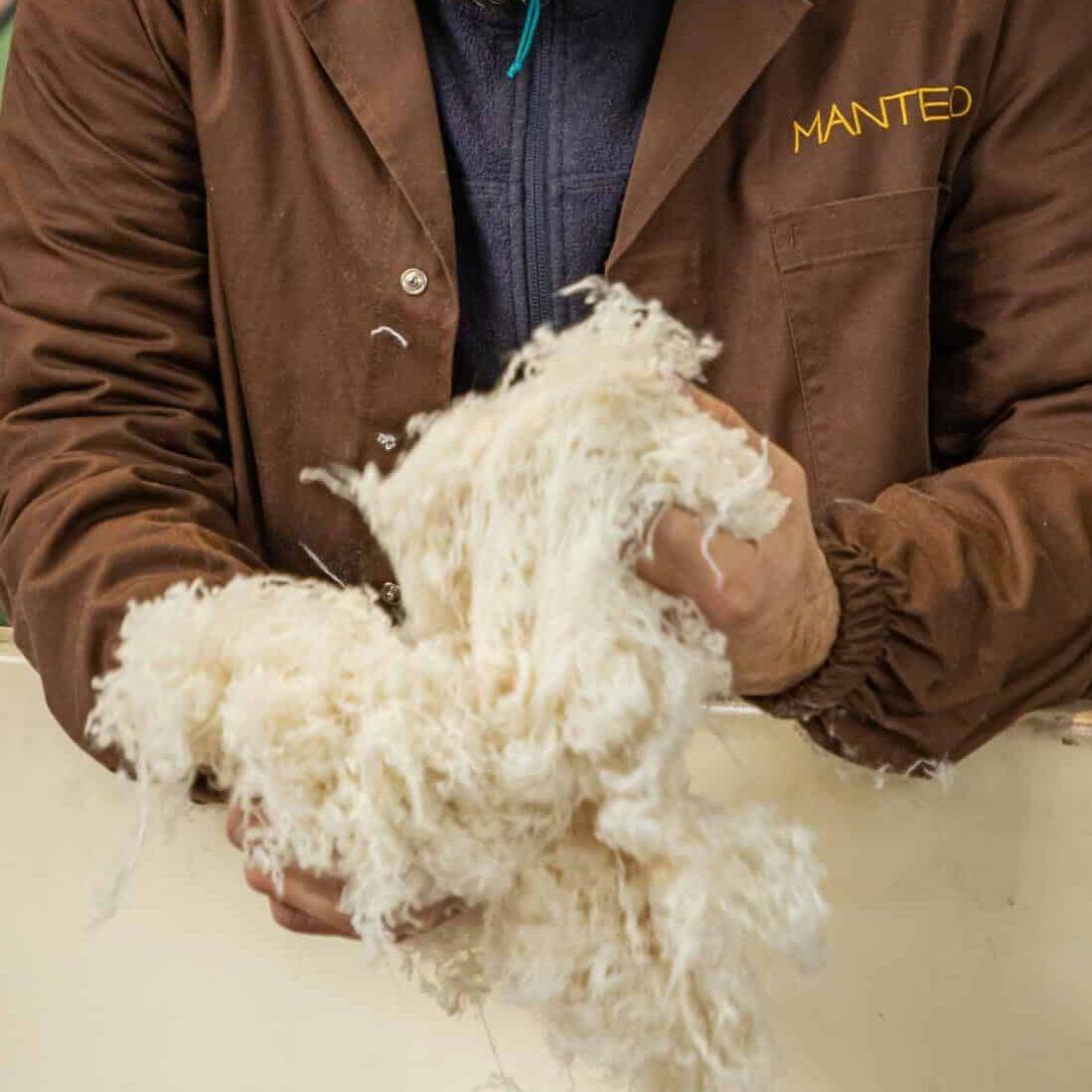
Manteco
Sustainability Rating: 7/10
Why? Wool is biodegradable and renewable, but concerns include animal welfare issues like mulesing and land degradation. Ethical sourcing and humane practices improve its rating.
Silk
- Feel: Smooth, luxurious, and shiny.
- Uses: Formal wear and high-end garments.
- Ethics & Sustainability: Traditional silk involves killing silkworms, but peace silk is an ethical alternative. It’s biodegradable but resource-intensive.
Care Instructions: Hand wash in cold water with a gentle detergent or dry clean. Avoid soaking. Lay flat or hang to dry in the shade.
Pro Tips: Iron on the reverse side on a low setting while the garment is slightly damp. Store in a cool, dark place to avoid fading.
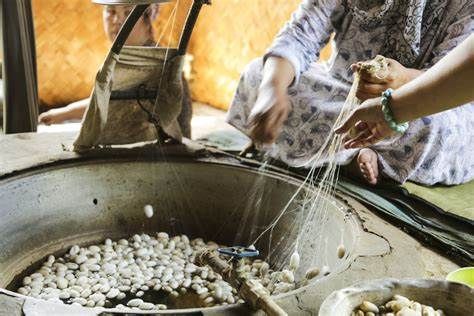
diariesofmagazine.com
Sustainability Rating: 5/10
Why? Traditional silk production involves killing silkworms, which raises ethical concerns. Peace silk is a more ethical option, though silk production is resource-intensive.
Linen
- Feel: Lightweight, breathable, with a natural texture.
- Uses: Perfect for summer clothes and casual wear.
- Ethics & Sustainability: Requires less water and pesticides. It’s biodegradable and eco-friendly!
Care Instructions: Machine wash in cold water or hand wash. Use a gentle detergent. Tumble dry on low or hang to dry.
Pro Tips: Linen wrinkles easily, so iron while slightly damp on a high setting or use a steamer. Avoid over-drying to prevent stiffness.
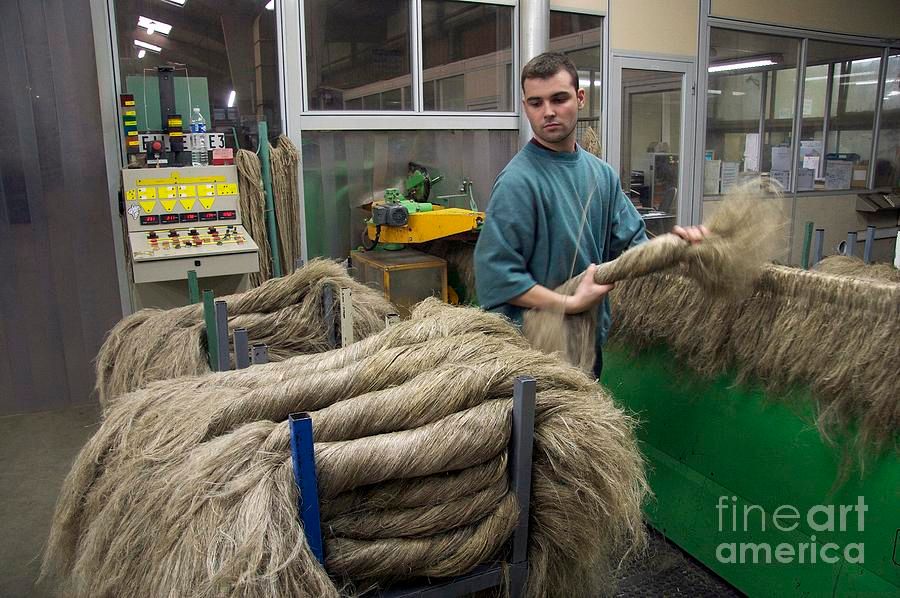
Sustainability Rating: 8/10
Why? Linen is made from flax, which requires fewer pesticides and less water than cotton. It is biodegradable and has a lower environmental impact, making it a more sustainable choice.
Rayon
Feel: Soft and drapes beautifully.
Uses: Great for dresses and blouses.
Ethics & Sustainability: Production can be chemically intensive. Opt for sustainably sourced rayon for a greener choice.
Care Instructions: Hand wash in cold water or use a delicate cycle in the machine. Lay flat or hang to dry.
Pro Tips: Rayon can shrink easily, so avoid hot water and high heat. Iron on low or use a steamer to remove wrinkles.
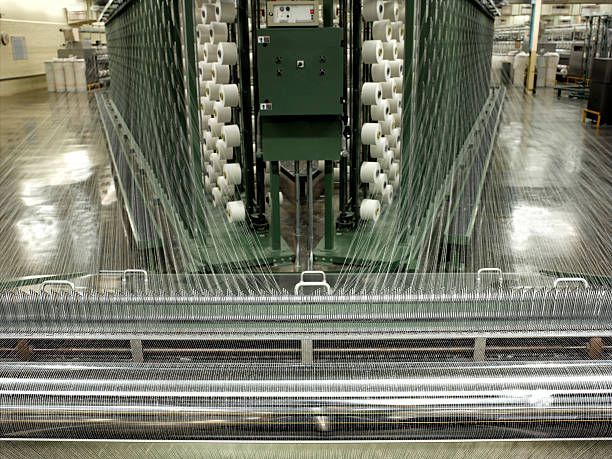
google stock image
Sustainability Rating: 4/10
Why? Rayon is derived from wood pulp, and its production can involve harmful chemicals. While it’s biodegradable, the environmental impact of sourcing and processing wood pulp can be high.
Spandex (Lycra)
Feel: Highly elastic and shape-retentive.
Uses: Essential for activewear and swimwear.
Ethics & Sustainability: Not biodegradable and contributes to microplastic pollution. Look for recycling options.
Care Instructions: Machine wash in cold water with a mild detergent. Avoid fabric softeners. Tumble dry on low or air dry.
Pro Tips: Avoid high heat and prolonged exposure to sunlight to prevent degradation. Avoid chlorine bleach.
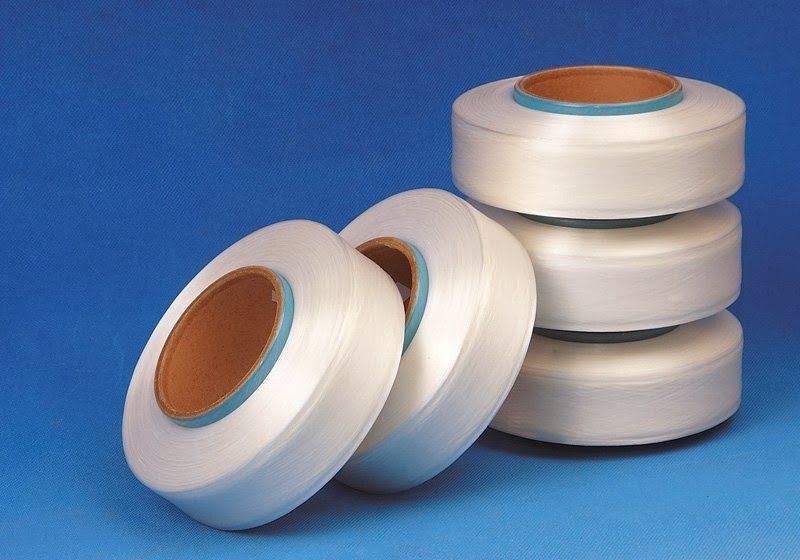
google image
Sustainability Rating: 2/10
Why? Spandex is made from petrochemicals and is non-biodegradable, contributing to microplastic pollution. Recycling options are emerging but are still limited.
Nylon
Feel: Strong, lightweight, and abrasion-resistant.
Uses: Ideal for outerwear and hosiery.
Ethics & Sustainability: Made from petrochemicals, contributing to microplastic pollution. Recycled nylon is a better option.
Care Instructions: Machine wash in cold water. Use a mild detergent. Tumble dry on low or hang to dry.
Pro Tips: Avoid high heat to prevent melting or damage. Iron on a low setting if needed, using a pressing cloth.
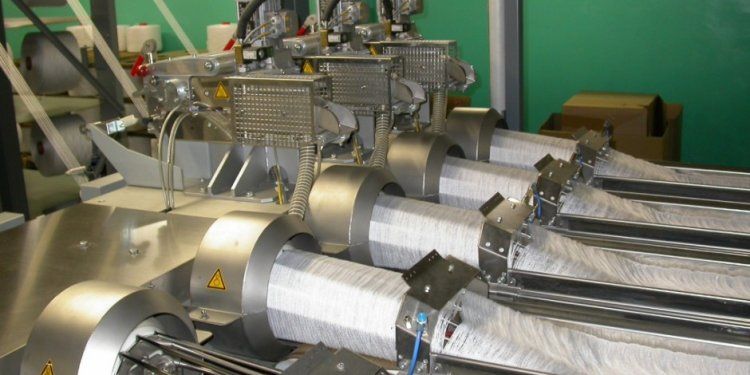
google image
Sustainability Rating: 3/10
Why? Like polyester, nylon is made from petrochemicals and is non-biodegradable. It contributes to microplastic pollution, though recycled nylon offers some improvements.
Denim
Feel: Durable and sturdy with a classic look.
Uses: Jeans, jackets, and casual wear.
Ethics & Sustainability: Traditional denim is water-intensive and labor-heavy, but sustainable practices are improving with organic cotton and water-saving techniques.
Care Instructions: Machine wash in cold water to maintain color. Turn garments inside out to reduce fading. Tumble dry on low or air dry.
Pro Tips: Wash denim infrequently to preserve color and shape. Iron on medium heat if needed.
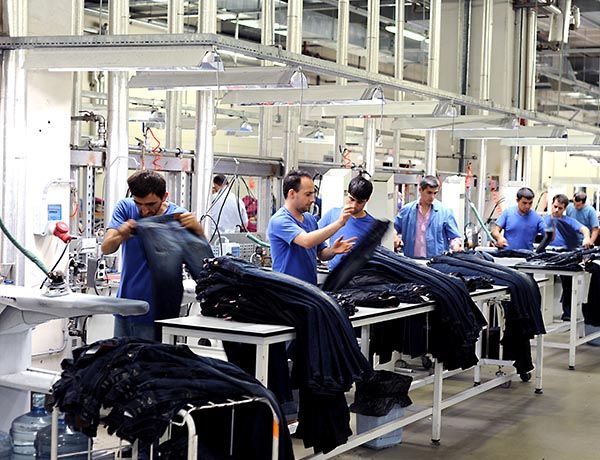
google image
Sustainability Rating: 4/10
Why? Traditional denim production is water-intensive and labor-heavy. However, sustainable practices like organic cotton and water-saving techniques can improve its environmental impact.
Velvet
Feel: Plush and soft with a unique texture.
Uses: Evening wear and luxury garments.
Ethics & Sustainability: Silk velvet is more sustainable; synthetic velvet shares polyester’s environmental concerns.
Care Instructions: Hand wash in cold water or dry clean. Avoid soaking. Lay flat to dry or hang in a well-ventilated area.
Pro Tips: Avoid crushing the pile; store garments on padded hangers. Iron on low heat or use a steamer to avoid damage.
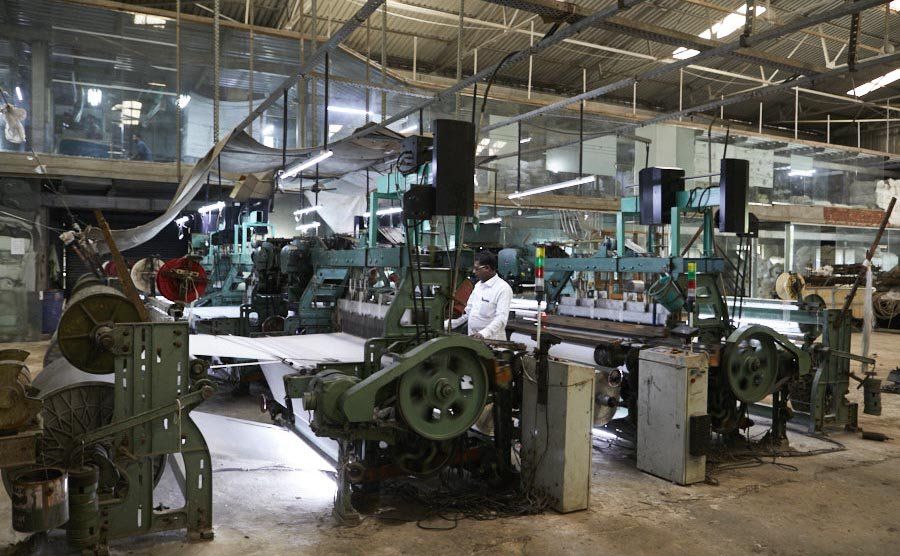
klassvelvets.com
Sustainability Rating: 4/10
Why? Velvet can be made from various fibers. Silk velvet is more sustainable but still resource-intensive. Synthetic velvet, like polyester-based, shares similar environmental concerns.
Acrylic
Feel: Lightweight and soft, often a wool substitute.
Uses: Sweaters and blankets.
Ethics & Sustainability: Made from petrochemicals, non-biodegradable, and contributes to microplastic pollution. Recycling is limited.
Care Instructions: Machine wash in cold water with a mild detergent. Tumble dry on low or air dry.
Pro Tips: Avoid high heat to prevent pilling and deformation. Iron on a low setting if necessary.
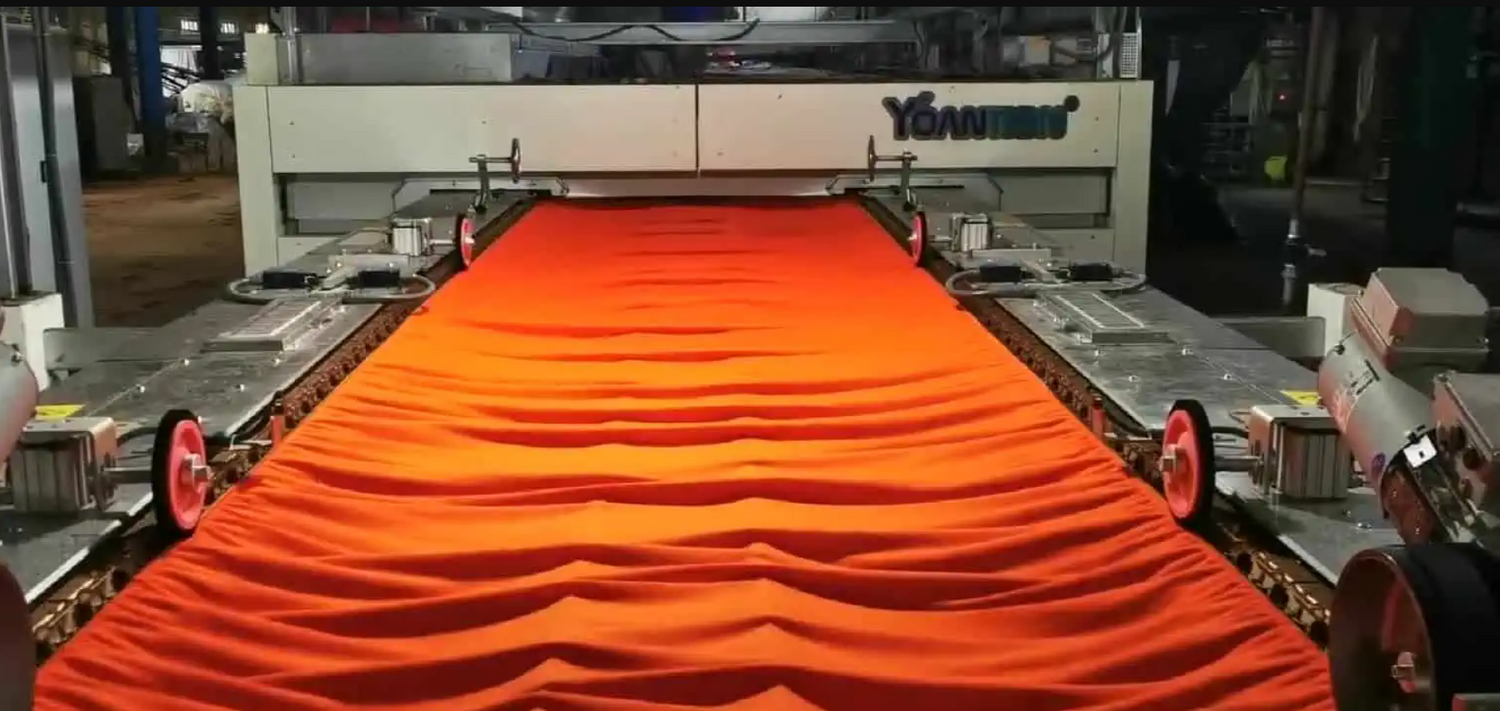
google image
Sustainability Rating: 3/10
Why? Acrylic is made from petrochemicals and is non-biodegradable, contributing to microplastic pollution. Recycling options are limited.
Cashmere
Feel: Extremely soft and luxurious.
Uses: Sweaters and high-end garments.
Ethics & Sustainability: Biodegradable but can cause land degradation. Look for ethically sourced cashmere.
Care Instructions: Hand wash in cold water with a mild cashmere-specific detergent. Lay flat to dry.
Pro Tips: Avoid wringing out cashmere to prevent stretching. Store in a breathable garment bag to avoid moth damage.
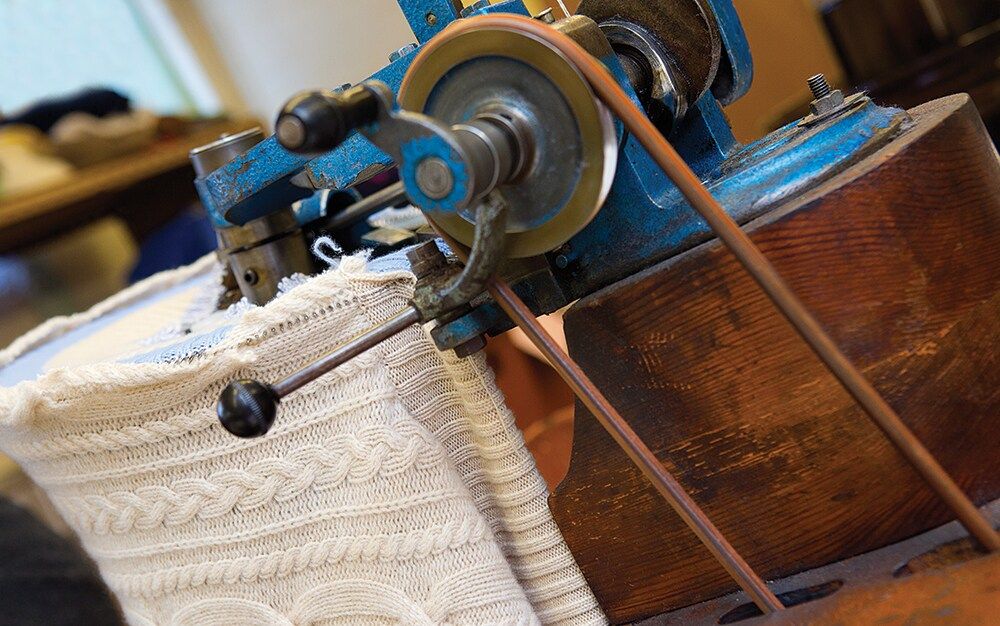
google image
Sustainability Rating: 5/10
Why? Cashmere is biodegradable but can lead to overgrazing and land degradation. Ethical practices and responsible sourcing can improve its sustainability.
Linen
Rating: 8/10
Sustainability: Linen is made from flax, requiring fewer pesticides and less water than cotton. It’s biodegradable and durable.
Fit: Linen has a relaxed, natural drape, making it great for loose-fitting garments like summer dresses and casual shirts.
Feel: Lightweight, breathable, and cool against the skin, though it wrinkles easily.
Life: Linen is known for its durability and can last a long time with proper care, though it softens and becomes more comfortable with each wash.
Organic Cotton
Rating: 7/10
Sustainability: Organic cotton is grown without harmful pesticides and often involves better labor practices. It's biodegradable but still water-intensive.
Fit: Offers a soft, comfortable fit, suitable for everyday wear and casual styles.
Feel: Soft and breathable, providing a high level of comfort.
Life: Durable and can last well with proper care. However, it can shrink if not washed according to instructions.
Wool (Ethical Practices)
Rating: 7/10
Sustainability: When sourced ethically, wool is renewable and biodegradable. Concerns include animal welfare and land degradation, but ethical sourcing improves its rating.
Fit: Wool offers a structured fit that holds its shape, making it ideal for tailored garments like suits and sweaters.
Feel: Warm, breathable, and naturally elastic, making it comfortable for various weather conditions.
Life: Highly durable, though it can be prone to pilling and requires careful handling to avoid damage.
Silk (Peace Silk)
Rating: 5/10
Sustainability: Peace silk avoids killing silkworms, making it a more ethical choice. It’s biodegradable but resource-intensive.
Fit: Drapes beautifully and flows well, perfect for luxurious and elegant garments.
Feel: Extremely smooth, soft, and luxurious, providing a high level of comfort.
Life: Delicate and requires careful handling. It’s prone to damage from sunlight and can wear out faster if not properly cared for.
Spandex (Lycra)
Rating: 2/10
Sustainability: Made from petrochemicals, non-biodegradable, and contributes to microplastic pollution. Recycling options are limited.
Fit: Highly elastic, offering a snug fit that retains shape, ideal for activewear and form-fitting clothing.
Feel: Stretchy and comfortable, but can feel synthetic compared to natural fibers.
Life: Durable and retains its shape well, though it can degrade over time with exposure to heat and sunlight.
Acrylic
Rating: 3/10
Sustainability: Derived from petrochemicals and non-biodegradable, contributing to microplastic pollution. Limited recycling options.
Fit: Similar to wool in appearance but can be less breathable and less durable.
Feel: Soft but can feel less luxurious and more synthetic than natural fibers. It tends to pill over time.
Life: Generally less durable than natural fibers and can wear out more quickly, especially with frequent washing.
Polyester
Rating: 3/10
Sustainability: Made from petrochemicals, not biodegradable, and contributes to microplastic pollution. Recycled polyester is somewhat better but doesn’t fully resolve environmental issues.
Fit: Retains shape well and is often used in blends to improve durability and reduce wrinkles.
Feel: Can feel less breathable and more synthetic, though modern polyester fabrics can be quite comfortable.
Life: Durable and resistant to wrinkling and shrinking, but its non-biodegradable nature contributes to long-term environmental issues.
Rayon
Rating: 4/10
Sustainability: Made from wood pulp with a chemically intensive process. Biodegradable but the environmental impact of sourcing and processing can be high.
Fit: Drapes well and is often used in flowy and lightweight garments.
Feel: Soft and comfortable, but can be less durable and prone to shrinkage and stretching.
Life: Less durable than natural fibers and can be prone to damage if not handled carefully.
Navigating the world of textiles with an eye on sustainability and ethical impact is crucial in today’s fashion landscape. From the breathable charm of linen to the environmental concerns surrounding spandex and acrylic, understanding the nuances of each fabric helps us make more responsible wardrobe choices.
By opting for materials with higher sustainability ratings, such as linen and organic cotton, we can reduce our environmental footprint and support better labor practices. While fabrics like polyester and spandex present significant challenges, being informed empowers us to seek out recycled or more sustainable alternatives.
Ultimately, every choice counts. Whether you’re investing in timeless pieces or considering your next fashion purchase, prioritizing fabrics with lower environmental impacts and better ethical practices helps drive positive change in the fashion industry. Let’s embrace style that not only looks good but also feels right.
Stay stylish, stay conscious, and make a difference with every garment you choose!